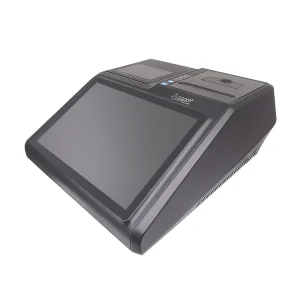
Before exploring the industrial mechanics of color calibration, examine our primary checkout, billing, and transactional direct printing systems engineered for logistics, factory retail networks, and retail points of sale in Equatorial Guinea.


The industrial landscape of Equatorial Guinea, stretching from the administrative powerhouse of Malabo on Bioko Island to the commercial heartbeat of Bata on the Rio Muni mainland, is undergoing an aggressive structural transition. Traditionally reliant on imported consumer goods, packaging materials, and commercial marketing collaterals from Europe and neighboring regional hubs, the nation is actively building its domestic printing, manufacturing, and packaging industries. With this growth comes the demanding requirement for international-grade color consistency and high-speed production capability.
In modern industrial inkjet printing, color management is not merely an aesthetic choice; it is a critical variable in brand preservation, waste reduction, and compliance. For FMCG packaging, pharmaceuticals, building materials, and petroleum exports originating in Bioko or Litoral provinces, color deviations represent defective batches. Utilizing a professional Color Management System (CMS) ensures that digital files, RIP (Raster Image Processor) software, printhead controllers, and final substrate outputs align seamlessly under strict Delta-E tolerances (dE < 2.0).
By integrating advanced spectral calibration with industrial printing machinery, manufacturers in Equatorial Guinea can achieve consistent, repeatable results despite local environmental challenges such as elevated humidity, coastal salinity, and power grid fluctuations.
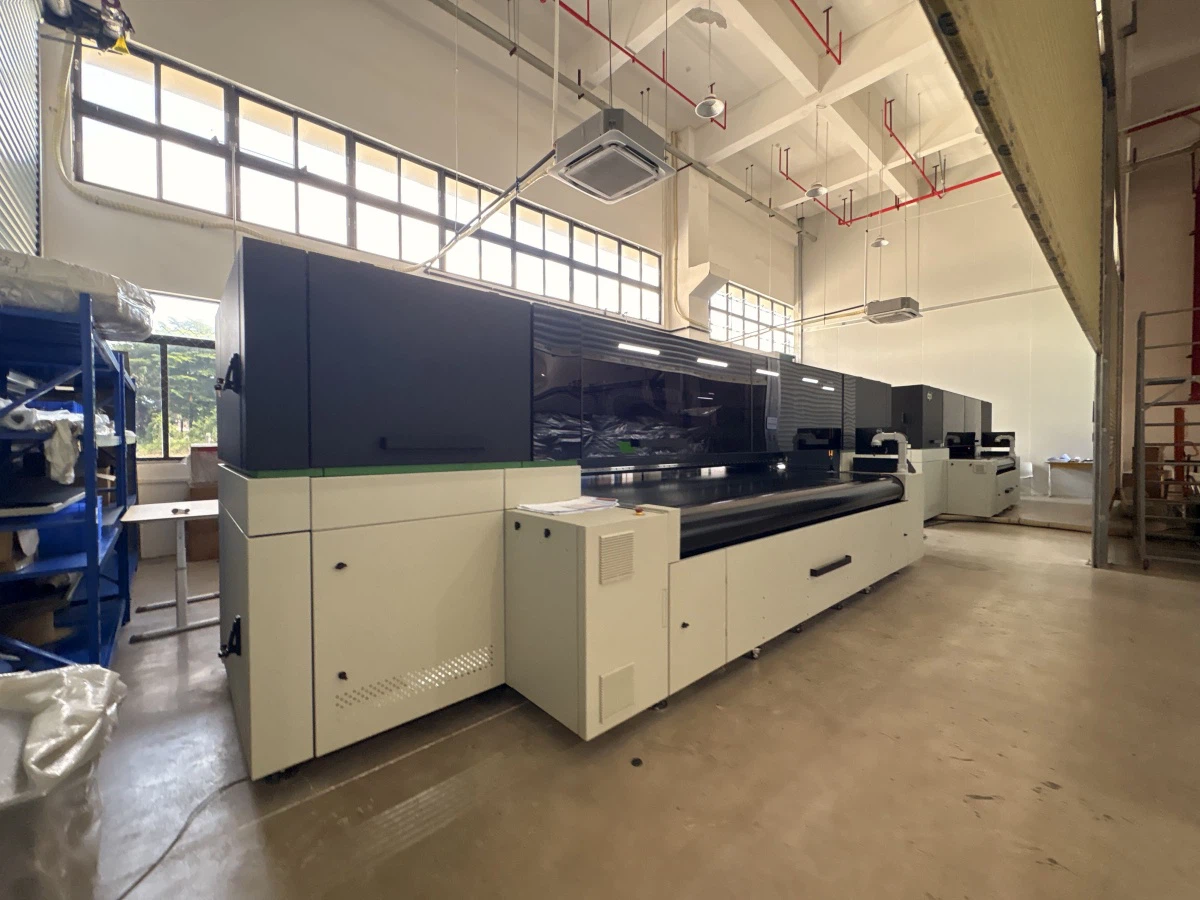
A comprehensive CMS operates as a closed-loop system, aligning the color spaces of input devices (scanners, design files) with output devices (Single-Pass and Multi-Pass digital inkjet systems). For manufacturers operating in West Africa, implementing a CMS involves three critical pillars, known as the "Three Cs" of color control:
Before applying color profiles, the physical printer must be adjusted to its optimal state. This involves calibrating the physical voltage of the industrial printhead controllers, establishing ink droplet sizes (picoliters), and defining precise mechanical media feed tension. Calibration ensures that a printhead ejecting 50% cyan ink consistently delivers the exact target density across the entire print width.
Characterization involves printing a standardized target chart (e.g., IT8.7/4 containing up to 1,617 color patches) on the specific substrate (such as corrugated cardboard, high-density polyethylene, ceramic tile, or textile fabrics) using local ink batches. A spectrophotometer scans these patches to measure their spectral values. The software compares these values to the original digital design file and compiles an ICC Profile. This profile maps the precise behavior and limitations (the color gamut) of that specific machine-ink-substrate combination.
When a design file utilizes colors outside the physical printing system’s gamut, the CMS uses Rendering Intents (Relative Colorimetric, Perceptual, or Absolute Colorimetric) to translate and map colors accurately. This ensures that brand-critical corporate colors, such as logos on beverage cans or pharmaceutical boxes, remain visually matching across different manufacturing runs.
Our engineering team designs complete digital workflows, linking RIP controllers, ink delivery units, and high-speed printheads to ensure perfect compliance with FOGRA and GRACoL standards.
Send Inquiry NowImplementing high-speed digital printing in Equatorial Guinea requires a clear understanding of the local climate and infrastructure. Standard off-the-shelf printing solutions often struggle without specialized customization:
Zhuhai Vector Print Co., Ltd. is a technology-driven enterprise specializing in advanced industrial inkjet printing solutions for modern manufacturing. Located in Zhuhai, a key innovation hub in southern China, the company focuses on developing high-performance systems that deliver precision, speed, and reliability across diverse industrial applications.
The company’s core product portfolio includes Single Pass Inkjet Printing Machines, Multi Pass Digital Inkjet Printers, High-Speed Scanning Inkjet Systems, and Industrial Inkjet Printing Controllers. These solutions are engineered to meet the evolving demands of industries such as ceramics, packaging, textiles, and building materials, enabling high-resolution output and consistent production quality.
By sourcing print systems from Zhuhai Vector Print Co., Ltd., businesses in Equatorial Guinea gain access to direct engineering support, robust components, and highly customizable software architectures. Rather than dealing with closed proprietary systems, our equipment supports open ICC configurations, giving your team full control over local ink selection, media choices, and color profiles.
A true industrial print setup goes beyond the ink and printhead. A reliable production ecosystem links digital color control with factory automation, automated warehousing, and downstream packaging systems.

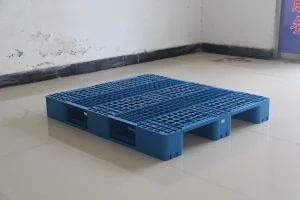
To reduce turnaround times and eliminate labeling errors, modern factories in Equatorial Guinea are linking their printing operations with automated logistics. This includes interfacing digital printheads with warehouse systems and automated pallet tracking, ensuring that printed bar codes, QR codes, and color-coded destination markers remain crisp and easily readable by automated optical scanners.
Key integration points include:
Common questions from procurement managers, production engineers, and print shop owners regarding CMS deployment in Equatorial Guinea.
A CMS ensures consistent color replication across different production runs, keeping brand colors within a strict tolerance window (typically delta-E < 2.0). It also reduces ink consumption by up to 45% by building optimized profiles that limit over-inking, and significantly cuts down on setup waste.
High relative humidity changes how porous materials like cardboard and paper absorb ink. This can cause the ink dots to spread (known as dot gain), making colors look darker or muddy. A proper CMS uses humidity-calibrated ICC profiles to adjust ink volume and compensate for these environmental changes.
Yes, our industrial inkjet controllers and printing systems are designed with open-system architectures. They integrate smoothly with leading RIP software platforms like Onyx, Caldera, and Wasatch, allowing your team to import and manage standard ICC version 2 and version 4 profiles.
Single Pass systems feature stationary printhead arrays that span the entire print width, allowing the substrate to pass underneath once at high speed—ideal for rapid packaging production. Multi-Pass systems move the printhead carriage back and forth across the substrate, which is slower but offers higher flexibility and resolution for varied materials.
We recommend a quick calibration scan weekly, or whenever a new batch of ink or substrate is introduced. For high-precision jobs (like corporate brand packaging), a quick daily calibration verification takes just a few minutes and ensures consistency throughout the run.
Yes. By using networked RIP stations and digital controllers, our engineers in China can access your system remotely to diagnose issues, review color calibration curves, and optimize print profiles, minimizing downtime.
Our profiling software is compatible with standard spectrophotometers, including the X-Rite i1Pro series and Barbieri Spectro LFP, ensuring accurate data capture on both flexible and rigid substrates.
Our controllers monitor and adjust the heating elements inside the printhead assembly in real-time. This keeps the ink viscosity stable even if the ambient room temperature shifts, preventing color changes during long production runs.
A modern manufacturing plant relies on coordinated systems. Explore our catalog of downstream packaging systems, warehouse solutions, high-grade specialty devices, and related equipment optimized for the Equatorial Guinea industrial market.








Optimize your factory's output quality and color accuracy. Connect with Zhuhai Vector Print Co., Ltd.'s application engineers to configure your localized color management workflow today.
Send Inquiry Now Vector Print