In the highly competitive landscape of sub-Saharan commercial manufacturing, achieving microscopic color accuracy across diverse print mediums has transformed from an operational preference into an economic imperative. For printing factories, packaging manufacturers, and multi-tier exporters operating within or supplying the Republic of Mali, chromatic stability is directly tied to market accessibility, brand equity, and compliance with the West African Economic and Monetary Union (WAEMU) guidelines. Zhuhai Vector Print Co., Ltd., a premier technology-driven enterprise headquartered in China's silicon hub of southern industrial printing, pioneers the integration of advanced Color Management Systems (CMS) embedded natively into high-performance industrial inkjet printing machinery.
This technical documentation analyzes the integration parameters, localized atmospheric modifications, and industrial inkjet controller optimizations necessary to secure a Delta E (ΔE) deviation rate of less than 1.0 under typical Malian factory operating conditions. By addressing specific local challenges—ranging from the high ambient thermal thresholds of Bamako and Sikasso to the intensive physical processing requirements of West African textile and agricultural packaging production—this document serves as a comprehensive procurement blue-print for global enterprises and localized stakeholders aiming to maximize print yield and color fidelity.
The industrial printing footprint within Mali is currently undergoing an intensive phase of modern capitalization. Driven primarily by the domestic expansion of agricultural manufacturing (including cotton processing, peanut exports, and fresh mango preservation supply lines) and the rising demand for localized consumer packaged goods (CPG), printing installations in industrial hubs such as the Sotuba Industrial Zone are scaling up operations. Historically, Malian printing production relied on traditional offset or basic low-speed digital printing setups that were highly vulnerable to inconsistencies in operator competency, ink batch variations, and ambient shifts.
The Sahelian Climatic Variable: Mali’s distinct geographic profile—characterized by the semi-arid Sahelian climate, intense dry Harmattan wind currents from November to March, and peak ambient factory temperatures frequently exceeding 40°C—introduces significant volatile parameters to fluid dynamics in inkjet printheads. High temperatures lower ink viscosity below designed operating spectrums, leading to dot gain, color casting shifts, and accelerated pigment settling. Without an intelligent, hardware-integrated Color Management System, maintaining an institutionalized ICC profile becomes practically unachievable.
Furthermore, Malian exporters who ship processed materials internationally must comply with strict criteria regarding bar-code scanability and color accuracy. If a container of premium Malian agricultural exports features secondary packaging that displays visible color degradation or inconsistent branding across logistical batches, global distributors reserve the legal right to reject shipments based on compliance failures. Consequently, executing closed-loop color regulation is a core financial defense mechanism for Malian commercial exporters.
Zhuhai Vector Print Co., Ltd. develops high-performance systems engineered to target the operational weak points found within sub-optimal printing environments. By incorporating precision printhead engineering, intelligent continuous fluid control, and state-of-the-art Raster Image Processor (RIP) software integrations, our machinery portfolio maintains color stability regardless of long production cycles or exterior climate changes.
Our core machinery configuration is divided into four highly specialized industrial segments, each designed to balance productivity speed with chromatic accuracy:
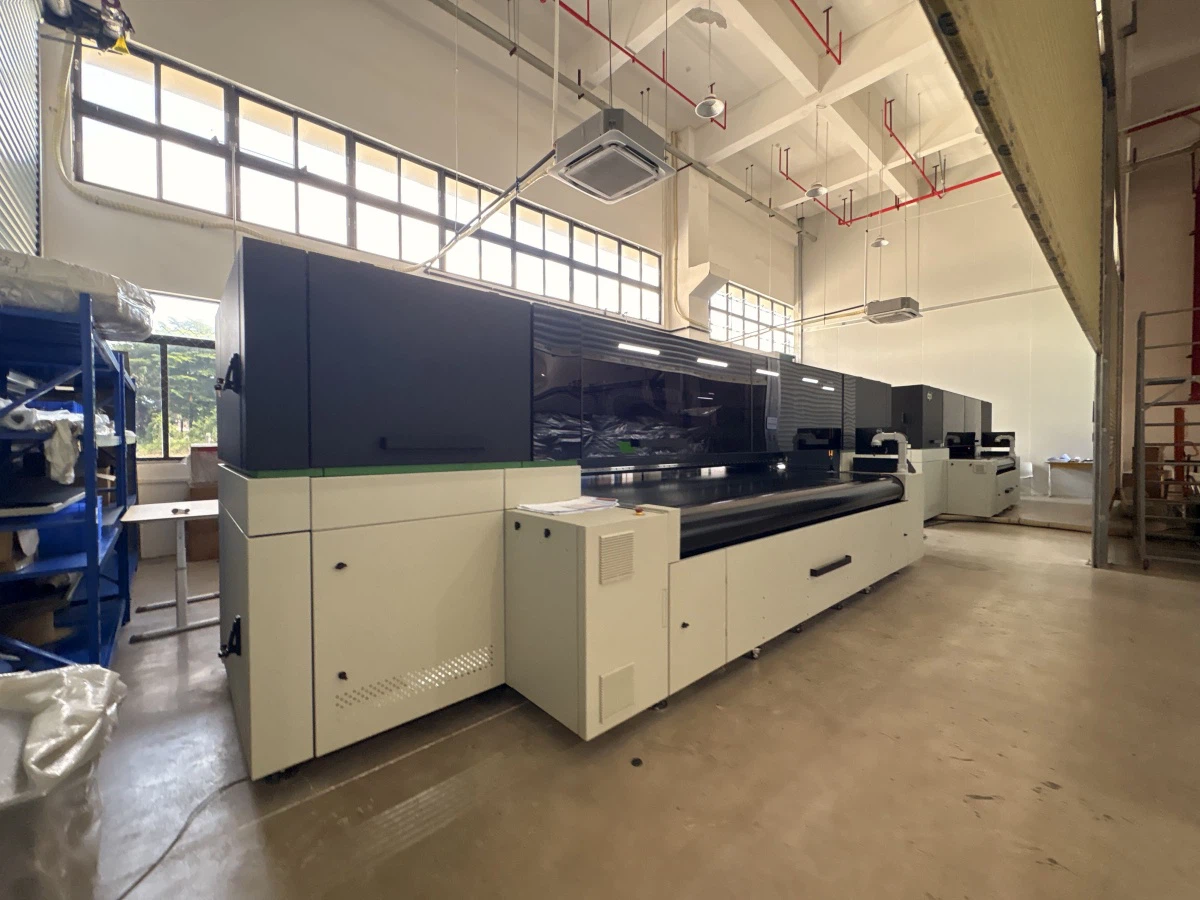
At the heart of our system lies the continuous closed-loop color management pipeline. Traditional machinery relies on passive, static color profiles generated during factory setup in China. In contrast, Zhuhai Vector Print implements real-time densitometer feedback loops. The system dynamically reads color values on the moving substrate and cross-references them against the target ICC profiles via the embedded industrial controller. If a micro-shift in pigment concentration or fluid viscosity is detected due to changing factory temperatures, the controller automatically recalibrates the electrical voltage waveform of the piezoelectric printhead. This instant correction ensures that ink droplet volumes remain consistent throughout production runs.
The application of a robust Color Management System is highly context-dependent. Across the Malian economy, three major manufacturing fields require distinct color control protocols:
1. Agricultural Packaging and Corrugated Boxing: Exporters of premium Malian agricultural commodities require protective packaging that maintains structural integrity while featuring high-visibility branding. Our Single Pass Inkjet systems print directly onto corrugated paperboards and flexible polymers using specialized high-adhesion inks. The color management software optimizes the ink layout for brown Kraft paperboard, using compensatory base profiling to ensure that bright corporate brand colors do not appear dull or muddy when applied to darker, recycled base stocks.
2. High-Value Textile Printing (Malian Bazin Riche & Wax Prints): Textile manufacturing is central to Mali’s cultural identity and domestic economy. Premium textiles, including localized *Bazin Riche*, demand highly saturated, deep color tones and intricate geometric patterns. Our Multi Pass and Scanning Inkjet systems feature advanced color separations, ensuring that difficult gradients and deep indigo or gold tones replicate perfectly across cotton matrices without bleeding or shifts in shade.

3. Industrial Building Materials and Ceramics: As infrastructure modernization expands within Mali's major cities, local factories are producing building materials, decorative panels, and architectural ceramics locally. Color matching across different batches of construction materials is notoriously difficult due to the abrasive nature of mineral-loaded inks. Zhuhai Vector Print's specialized Industrial Inkjet Controllers utilize custom-tailored ink sedimentation prevention routines alongside real-time linear density tracking. This setup ensures that ceramic floor tile pattern number 1 matches tile number 10,000 perfectly, maintaining color consistency over weeks of separate production schedules.
Sourcing heavy industrial printing equipment directly from Zhuhai, China, provides Malian factories with clear economic and operational advantages. Operating from Zhuhai—the global hub for advanced printing consumables and manufacturing engineering—Zhuhai Vector Print Co., Ltd. combines rapid product iteration cycles with deep vertical integration. This ensures that every sub-component, from the precision-machined printhead mount to the complex algorithmic core of our FPGA-driven controllers, is built to meet high international standards.
For print operators located in landlocked West African regions like Mali, the main challenges are procurement logistics, long-term technical support, and the steady supply of spare parts. To bridge this geographic gap, our company has structured a dedicated export protocol tailored specifically for the West African market:
When global procurement boards and multinational consumer brands source materials from printing houses in West Africa, color compliance forms a major element of legal contracts. Our Color Management System provides multi-layered verifications that align seamlessly with global and regional regulatory bodies:
Our software engines feature native reporting modules that automatically generate digital verification slips for every production batch. These logs record real-time Delta E deviations, ink usage metrics, and alignment precision data, creating an unalterable digital ledger that proves compliance with international standards. This transparency allows Malian exporters to confidently present their production quality to major buyers across Europe, North America, and Asia.
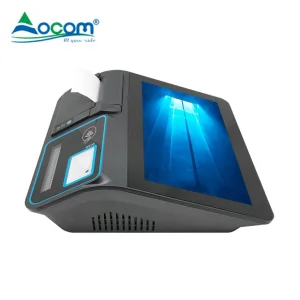
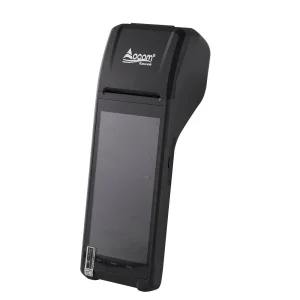
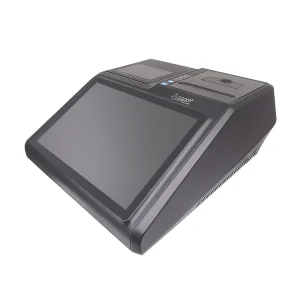
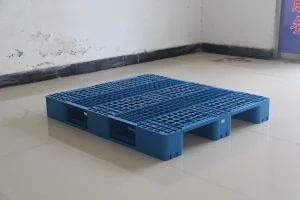
Below is our extended inventory of integrated components, processing hardware, and specialized digital industrial units. Every unit connects directly into the master color management architecture, ensuring seamless data flow and consistent performance across your entire production facility.
 Vector Print