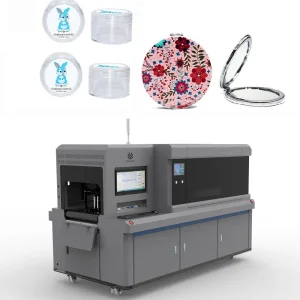
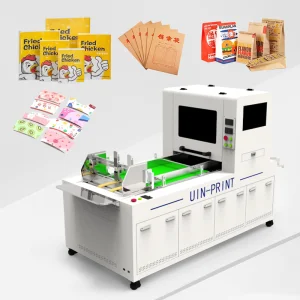
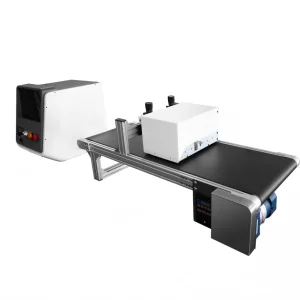
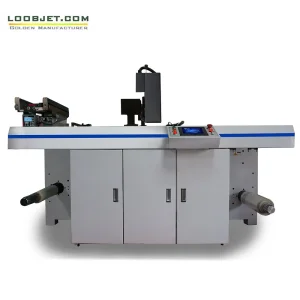
Novosibirsk buyers need a focused starting point. The four systems below are the first line of evaluation for corrugated packaging, pizza box production, kraft paper bags, cartons, and UV commercial work. Every original product URL is retained, and each product title links directly to the factory system page.
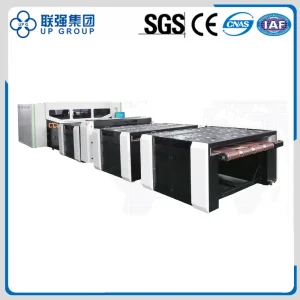 Novosibirsk-ready · Corrugated
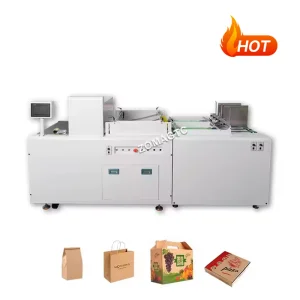 Novosibirsk-ready · Pizza Box
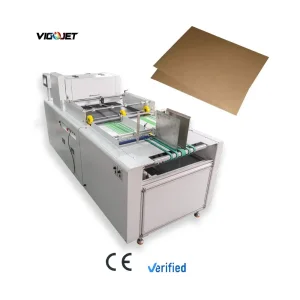 Novosibirsk-ready · Carton & Bag
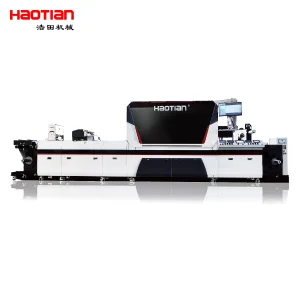 Novosibirsk-ready · UV Color
Need a configuration matched to Siberian substrates and production volume? Send Inquiry Now.
Novosibirsk is not a peripheral print market. It is the administrative, scientific, industrial, and logistics center of Siberia and one of Russia’s largest urban economies. A machine placed here is often expected to serve Novosibirsk Oblast and the wider Siberian Federal District, which changes the procurement logic.
Novosibirsk combines a diversified industrial base with a strong retail, food-processing, e-commerce, education, and scientific-services economy. The city is a major rail and air gateway: the Trans-Siberian Railway passes through the region, and Tolmachevo Airport connects Siberia with domestic and international routes. Akademgorodok, the famous scientific district, reinforces the city’s technology orientation and its openness to digital production methods.
For packaging converters, corrugated box plants, commercial printers, paper bag producers, cup-fan converters, and brand owners, Novosibirsk is a regional supply hub. Local demand is shaped by grocery chains, food manufacturers, logistics operators, building-material suppliers, household-goods brands, pharmaceutical distributors, and e-commerce fulfillment. Corrugated packaging remains a high-volume requirement; pizza boxes, food cartons, paper bags, cup fans, shelf-ready packaging, and non-woven bags add shorter runs and more SKU variation.
This mix is exactly where single pass inkjet becomes commercially interesting. Instead of making plates, washing blankets, or waiting for long conventional make-ready, converters can move from job file to printed board or bag in a compressed workflow. The value is not simply “digital printing.” The value is faster response to variable orders, lower minimum order friction, and more control over short-run profitability.
Novosibirsk’s geography creates specific engineering requirements. Equipment and ink shipments may arrive by rail, truck, or air; winter transport can expose electronics, fluids, and printheads to low temperatures and condensation. Installation planning should therefore include heated storage, stabilization time before power-on, humidity control, clean compressed air, and a spare-parts kit selected for the first year of operation. Service distance also matters: remote diagnostics, English/Russian documentation, local technical partners, and factory escalation paths should be agreed before shipment.
For international buyers, the local market question is not only “Which machine is fastest?” but “Which machine can keep producing when the next job mix changes, when a substrate batch changes, and when a printhead or ink issue appears?” That is a service and engineering question as much as a hardware question.
Single pass inkjet is not simply a faster version of a scanning printer. It is a different production architecture. The printhead array spans the print width, and the substrate passes once beneath the heads while all colors are jetted in a single event.
In a single pass inkjet printing machine, the printhead array is fixed across the full print width. The substrate moves through the machine once, and cyan, magenta, yellow, black, white, primer, or coating may be applied in one pass depending on the configuration. This contrasts with multi-pass or scanning systems, where a carriage traverses the substrate multiple times. For industrial packaging, the single pass principle changes the economics of short and medium runs because make-ready is digital, plate-free, and fast.
The engineering challenge shifts from carriage motion to substrate transport stability, printhead maintenance, ink chemistry, color management, drying or curing, and data workflow. A single pass machine is a production cell, not a desktop printer scaled up. Buyers should therefore evaluate the complete system: feeder, transport, print engine, ink delivery, maintenance station, vision registration, drying/curing, stacker, software, and service plan.
Native resolution, nozzle redundancy, grayscale levels, waveform control, and printhead model determine image quality, speed, and maintenance tolerance.
Stable ink pressure, filtration, recirculation, temperature control, and degassing are critical for consistent jetting and long-run reliability.
Vacuum belts, rollers, edge guides, and tension control must handle warped corrugated board, thin kraft paper, cup fan sheets, and non-woven material.
Camera alignment, barcode verification, missing-nozzle compensation, and image inspection reduce waste and protect brand quality.
Water-based, UV, and hybrid systems require different energy and curing strategies. Coating can improve abrasion resistance and appearance.
RIP, ICC profiles, variable-data workflow, MIS/ERP integration, and operator-friendly job recall determine daily productivity.
There is no universal winner. The right architecture depends on monthly volume, substrate mix, print width, color requirements, finishing, and service capability.
The winning solution for Novosibirsk is rarely a generic printer. It is an application-matched production cell that fits the local substrate mix, order profile, finishing line, and service model.
High-speed wide-format single pass systems support shelf-ready packaging, e-commerce boxes, retail displays, and short-run corrugated jobs. Evaluate board warp, edge quality, ink adhesion, and stacker stability.
Food packaging requires attention to ink selection, odor, migration risk where applicable, and production hygiene. Fast job changeover helps regional chains and local pizza-box converters respond to promotions.
Kraft paper, cup fan sheets, and small-format bag work demand reliable feeding, registration, and ink compatibility. Single pass productivity can be attractive for repeatable short-run orders.
CMYK single pass printing with optional white ink or coating can support cartons, cardboard boxes, displays, and paper-bag formats. Color consistency and abrasion resistance are key buying criteria.
Non-woven bags require careful material handling and ink adhesion. Single pass color digital printing can support promotional bags, retail packaging, and event-driven orders.
UV single pass and mini single pass systems can address decorative and industrial print on rigid or specialty substrates. Surface preparation and curing strategy are central to success.
For a Novosibirsk business case, model the annual contribution from digital print before comparing quotations. A practical starting formula is:
Annual digital print value = productive hours × m²/hour × realistic utilization × contribution margin − ink, maintenance, energy, labor, and write-off
Then add risk factors: downtime cost, spare-parts lead time, substrate rejection rate, color rework, and training time. The lowest purchase price is rarely the lowest total cost of ownership for a Siberian production site.
Buyers of single pass inkjet equipment increasingly evaluate total cost of ownership, not headline speed. A Novosibirsk procurement committee usually includes production, maintenance, finance, quality, and compliance stakeholders.
A machine that looks fast in a demo but creates unscheduled downtime, color drift, or consumable risk will be rejected. International buyers therefore ask for substrate samples, print trials, maintenance schedules, spare-parts lists, ink shelf-life data, remote diagnostic capability, and documentation packages. They also compare how the supplier handles installation, operator training, color profiling, and post-installation optimization.
The following weighting is illustrative only. A Novosibirsk project may shift weight toward service distance, substrate flexibility, or compliance depending on the buyer’s risk profile.
Multi-site brand owners and packaging groups tend to standardize on a small number of printhead and ink platforms to simplify training and spare parts. They ask for factory acceptance tests, documented color targets, preventive-maintenance calendars, and audit-ready service records.
Independent converters often prioritize speed of changeover, financing structure, floor-space efficiency, and a clear path to new customer jobs. In both cases, the strongest suppliers provide information gain: substrate guidance, realistic throughput data, failure-mode analysis, and a transparent service plan.
Send Inquiry NowThese original product configurations are retained for buyers who need mixed packaging, kraft paper, CMYK, and pizza-box production. They sit between focused entry systems and high-volume production lines, extending the Novosibirsk evaluation matrix.
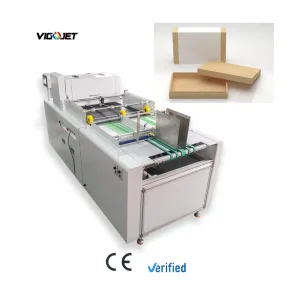 Mixed Packaging · Pizza Box
Export success is not only a hardware question. Novosibirsk is far from many supply bases, so support engineering must be designed into the project before shipment.
A practical localization plan covers four layers: documentation, power and site readiness, spare parts and service, and operator competence. For Russia and the Eurasian Economic Union, the compliance pathway should be clarified early. Depending on machine scope and configuration, projects may involve documentation under TR CU 010/2011 on machinery safety, TR CU 004/2011 on low-voltage equipment, TR CU 020/2011 on electromagnetic compatibility, and TR EAEU 037/2016 on hazardous substances restrictions where applicable. The exact route should be confirmed with a qualified local certification partner before order confirmation.
Russian industrial sites commonly require 380 V / 50 Hz three-phase power with stable voltage and proper grounding. Compressed air quality, humidity, dust, floor loading, ink storage temperature, and ventilation should be checked against the machine specification. Siberian winters make transport protection and post-delivery stabilization especially important: ink, printheads, and electronic modules should not be powered immediately after cold transport.
For a Novosibirsk deployment, the service plan should define remote diagnostics, local technician availability, spare-parts inventory, printhead replacement policy, escalation timing, and operator training. A first-year critical spare kit is often more valuable than a promise of fast support without stocked parts. Documentation should include electrical drawings, maintenance checklists, troubleshooting guides, and training materials in English and, where required, Russian.
The following company profile is retained from the original source and contextualized for Novosibirsk buyers evaluating long-term factory support.
Zhuhai Vector Print Co., Ltd. is a technology-driven enterprise specializing in advanced industrial inkjet printing solutions for modern manufacturing. Located in Zhuhai, a key innovation hub in southern China, the company focuses on developing high-performance systems that deliver precision, speed, and reliability across diverse industrial applications.
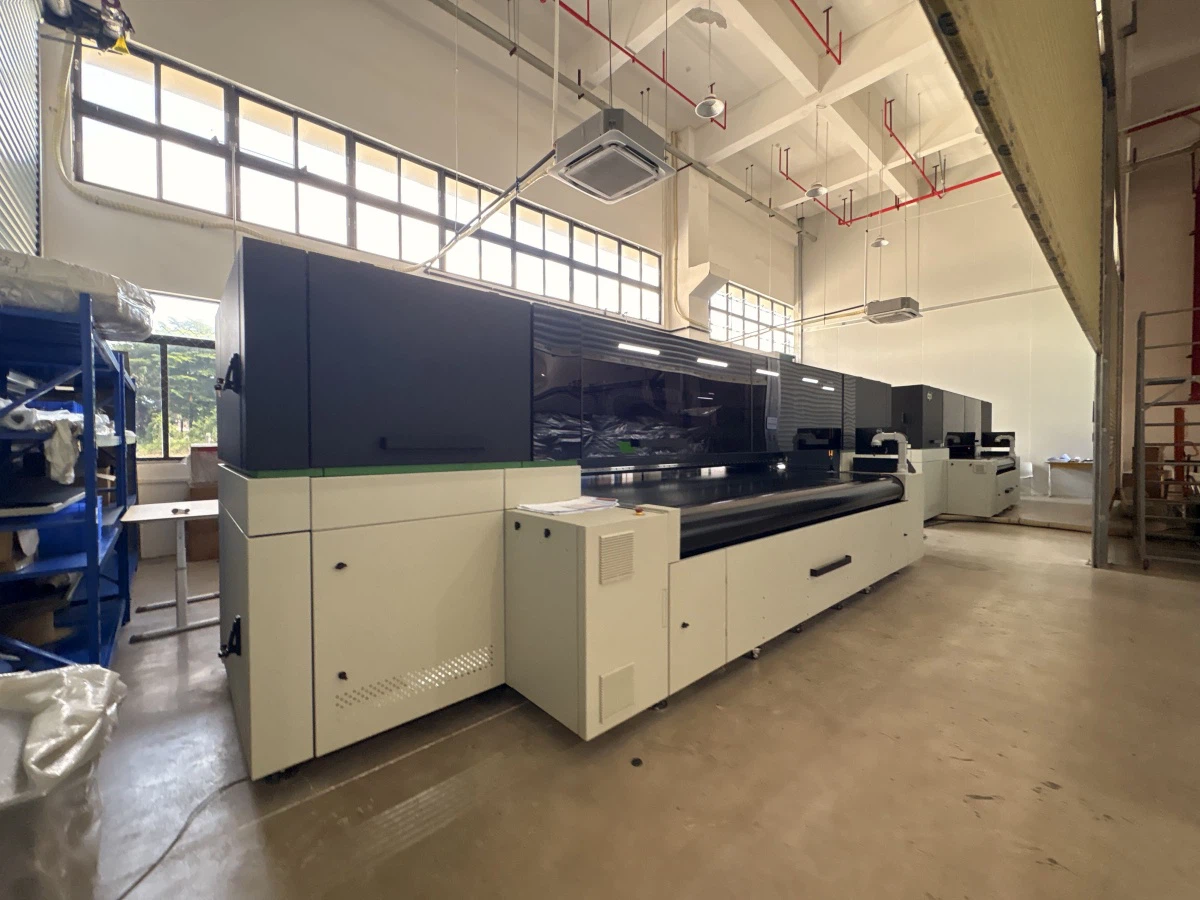
The company’s core product portfolio includes Single Pass Inkjet Printing Machines, Multi Pass Digital Inkjet Printers, High-Speed Scanning Inkjet Systems, and Industrial Inkjet Printing Controllers. These solutions are engineered to meet the evolving demands of industries such as ceramics, packaging, textiles, and building materials, enabling high-resolution output and consistent production quality.

Zhuhai Vector Print Co., Ltd. operates from a well-equipped production facility and is supported by a skilled team of engineers, R&D specialists, and technical service professionals. By integrating advanced printhead technology, intelligent control systems, and optimized ink delivery solutions, the company ensures stable performance and efficient workflow integration.
Committed to innovation and customer satisfaction, Zhuhai Vector Print continues to invest in research and development while expanding its global presence. The company aims to provide reliable, scalable, and future-ready inkjet printing systems that help manufacturers enhance productivity and stay competitive in a rapidly evolving market.
For the Novosibirsk market, the practical value of this factory profile lies in engineering depth, application breadth, and the ability to configure systems around different substrates and production models. Buyers should still validate the exact printhead platform, ink set, warranty terms, service plan, and compliance documentation for their specific project.
Single pass inkjet will continue to move from “digital alternative” to “mainstream production cell” in packaging and industrial print. The next competitive advantage will come from uptime, automation, color intelligence, and service integration.
More focus on recycled corrugated, kraft paper, cup fan, coated board, and non-woven substrates. Ink adhesion, odor, low-migration options where applicable, and coating integration become core buying criteria.
Camera inspection, missing-nozzle compensation, automatic registration, and closed-loop color correction reduce waste and make single pass systems easier to operate across shifts.
Higher native resolution, energy-efficient drying, water-based and UV ink advances, and smarter consumable use support lower total cost of ownership and stronger environmental performance.
Robotic loading, digital twin monitoring, predictive maintenance, and MIS/ERP integration move single pass systems toward automated packaging production with real-time performance data.
AI in printing is not a marketing layer. It is most useful when applied to nozzle mapping, printhead health prediction, image inspection, color drift correction, and maintenance scheduling. Novosibirsk buyers should ask for evidence of these functions in the actual configuration under consideration.
The fastest route to a successful single pass inkjet project is a disciplined pre-order process followed by a measured installation and optimization plan.
Measure monthly square meters, run length, substrate mix, finishing constraints, delivery promises, and seasonal peaks. Separate jobs that truly fit single pass from jobs better served by conventional or scanning systems.
Send representative boards, kraft paper, cup fan sheets, non-woven material, or rigid samples to the factory. Test adhesion, abrasion, color, odor, curing, and food-contact suitability where relevant.
Define print width, color channels, white ink or coating, feeder, stacker, drying module, electrical configuration, software workflow, and spare-parts kit before pricing is finalized.
Confirm EAC pathway, customs documentation, packing method, winter protection, shipping route, installation schedule, and local technician arrangements.
Print agreed samples, verify registration and color targets, review maintenance tasks, inspect safety functions, and train operators before shipment or at installation.
Review uptime, waste, color stability, ink consumption, and operator feedback at 30, 60, and 90 days. Adjust maintenance routines and workflow based on real production data.
Send your substrate, format, speed target, electrical requirements, and compliance questions. A focused response is faster than a generic catalogue request.
These answers help procurement teams compare single pass inkjet machine factories and exporters without overlooking local support, compliance, and production-fit risks.
A single pass inkjet printing machine uses a fixed printhead array that spans the print width. The substrate passes once beneath the heads, and the required colors are printed in one movement. This differs from scanning or multi-pass printers, where the printhead carriage travels repeatedly across the substrate.
Novosibirsk serves a wide Siberian region with changing retail, food, e-commerce, and industrial packaging demand. Single pass digital production reduces make-ready friction for short and medium runs, supports variable data, and can improve response time for corrugated boxes, pizza boxes, bags, cartons, and promotional packaging.
Compatibility depends on the specific board, coating, ink set, and primer strategy. Buyers should send representative substrate samples for print trials. Key tests include ink adhesion, abrasion resistance, color gamut, drying or curing, warp, odor, and stackability.
Many industrial systems for the Russian market are configured for 380 V / 50 Hz three-phase power. The exact requirement must be confirmed for the selected model, including total connected load, voltage tolerance, grounding, and compressed-air specification.
Depending on configuration and scope, projects may require conformity documentation under technical regulations such as TR CU 010/2011, TR CU 004/2011, TR CU 020/2011, and TR EAEU 037/2016 where applicable. Customs documents, technical passport, manuals, invoice, packing list, HS code, and origin documents are also typically part of the export file. Confirm the exact pathway with a qualified local certification partner.
A practical model combines remote diagnostics, a local technical partner, a stocked spare-parts kit, clear escalation procedures, and operator training. Ask for a written service workflow, response expectations, printhead replacement policy, and recommended first-year spare-parts list.
Compare monthly production volume, substrate mix, print width, color requirements, uptime, maintenance cost, floor space, operator skill, and finishing integration. Single pass is often strongest for repeatable packaging production; scanning systems can remain useful for prototypes, low volume, or highly varied rigid media.
Send representative corrugated board, kraft paper, cup fan sheet, carton board, non-woven material, or rigid substrate. Include typical artwork, required color targets, finishing samples, and any food-contact or brand-color requirements. The more realistic the sample set, the more reliable the configuration recommendation.
Ink should be stored within the manufacturer’s recommended temperature range and stabilized before use. Cold transport requires protected packing and a waiting period before power-on or ink circulation. Buyers should request written storage, handling, and shelf-life instructions for every ink and cleaning fluid.
The bottom portfolio retains eight original product configurations for Novosibirsk-oriented evaluation. Applications include double-sided paper bags, mini UV ceramic work, package printing on ceramic/wood/acrylic, small-format paper bags, cup fans, cartons, non-woven bags, and HP printhead digital presses.
Send your substrate list, typical format, monthly volume, color requirements, voltage, and compliance questions. The factory can then recommend a focused shortlist rather than a generic catalogue.
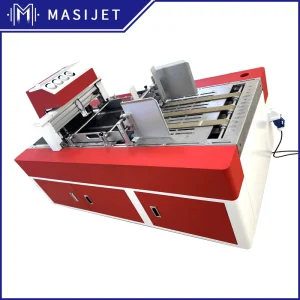 Double-Sided · Paper Bag
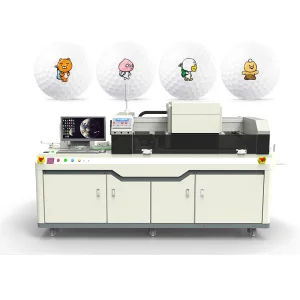 UV Ink · Ceramic/Wood/Acrylic
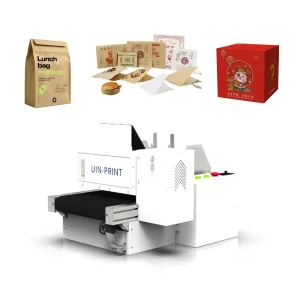 Small Format · Paper Bag
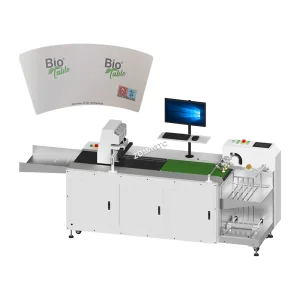 CMYK · Cup Fan & Carton
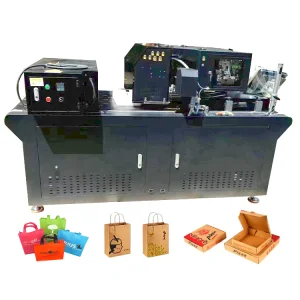 Corrugated · Non-Woven
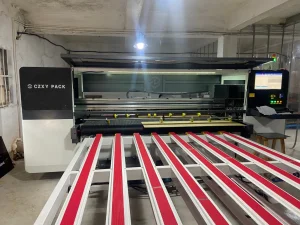 HP Printhead · Press
 Vector Print