High-efficiency process systems customized to improve production reliability and print quality in the Libyan industrial sectors.
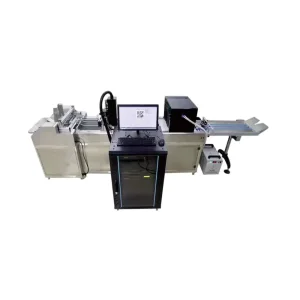
Libya's manufacturing and packaging sectors are experiencing structural transformations, driven by rising domestic consumption, infrastructure rebuilds, and the revitalization of packaging zones in Tripoli, Misrata, and Benghazi. Traditional printing presses and manufacturing assembly lines are rapidly converting from manual or semi-automated operations to fully automated setups to cut raw material waste, decrease labor costs, and achieve modern standards of reproducibility.
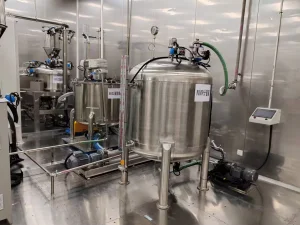
Integrating an Automated Ink Supply System (AISS) is vital for industrial printing operations dealing with high-throughput runs, continuous variable coding, and solvent-heavy printing requirements. In a dry and warm environment like Libya, manual ink handling leads to significant issues: accelerated solvent evaporation, high dust contamination, and frequent viscosity shifts. By adopting an automated fluid handling system, Libyan manufacturers preserve ink properties, stabilize printhead meniscus pressure, and achieve uninterrupted printing.
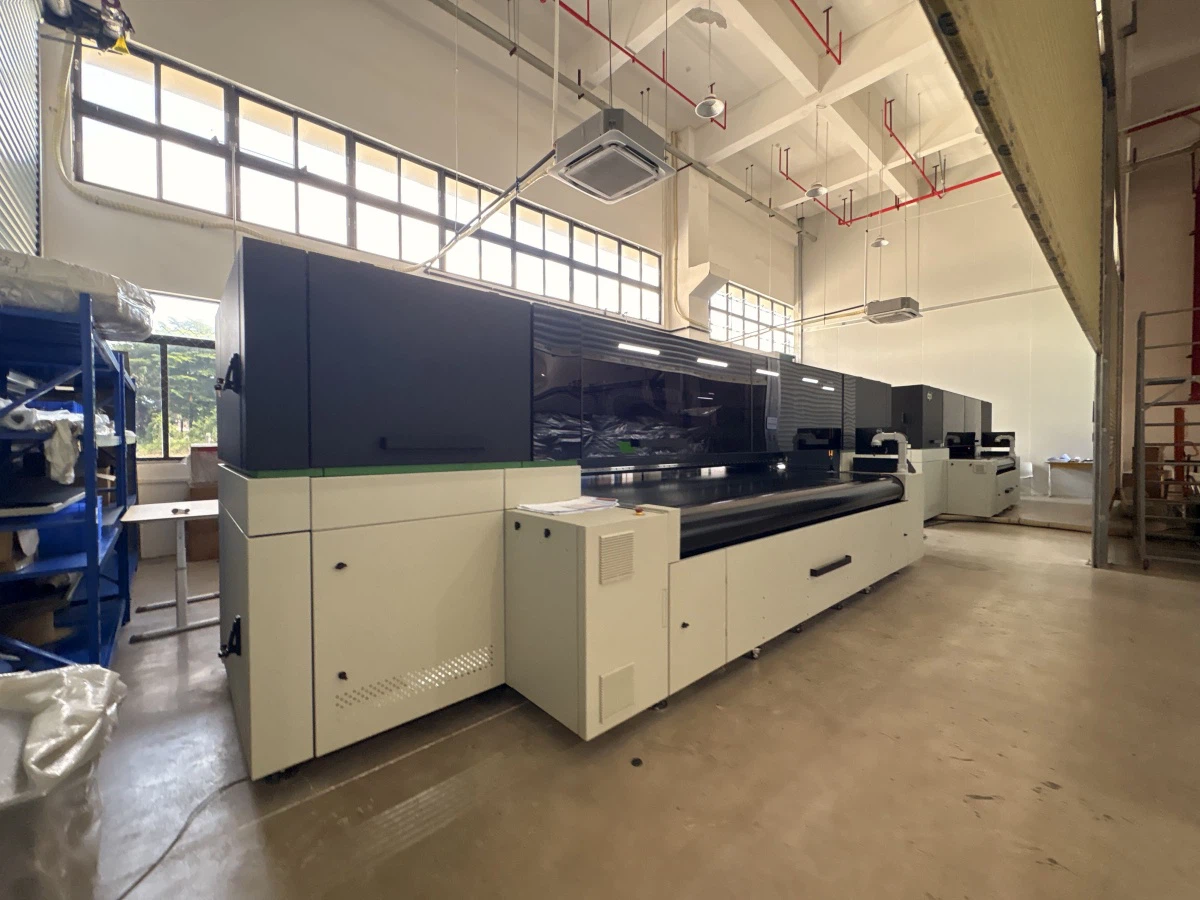
Engineered for absolute stability, our systems prevent nozzle blockage, regulate ink pressure, and automate fluid replenishment.
Maintains high-precision sub-atmospheric or positive pressure levels at the printhead nozzle plate. Eliminates ink dripping or dynamic starvation during high-speed scanning or single-pass jobs.
Built-in viscosity sensors analyze solvent loss in real-time. Automatically doses appropriate diluents to compensate for evaporation, a critical feature for high-temperature Libyan regions.
Dual-stage micron filters trap dust, micro-debris, and agglomerated pigment particles, preventing head clogging and maximizing lifespan under sand-heavy wind conditions.
Why global manufacturers and Libyan buyers choose our integrated supply model.

As a technology-driven enterprise operating from Zhuhai—a key global innovation hub for printing inks, consumables, and digital printing machines—Zhuhai Vector Print Co., Ltd. offers unparalleled supply chain advantages. We streamline shipping lines to Libyan ports (such as Tripoli Port and Misrata Port), bypassing middleman markups and securing direct factory pricing for our heavy-duty automated components.
Zhuhai Vector Print Co., Ltd. is a technology-driven enterprise specializing in advanced industrial inkjet printing solutions for modern manufacturing. Located in Zhuhai, a key innovation hub in southern China, the company focuses on developing high-performance systems that deliver precision, speed, and reliability across diverse industrial applications.
The company’s core product portfolio includes Single Pass Inkjet Printing Machines, Multi Pass Digital Inkjet Printers, High-Speed Scanning Inkjet Systems, and Industrial Inkjet Printing Controllers. These solutions are engineered to meet the evolving demands of industries such as ceramics, packaging, textiles, and building materials, enabling high-resolution output and consistent production quality.
Supported by a skilled team of engineers, R&D specialists, and technical service professionals, we integrate advanced printhead technology, intelligent control systems, and optimized ink delivery solutions to ensure stable performance and efficient workflow integration. Committed to innovation, we invest heavily in R&D while expanding our support footprint for factories and manufacturing centers in the Libyan market.
Where our automated ink feed and curing technologies optimize regional manufacturing pipelines.
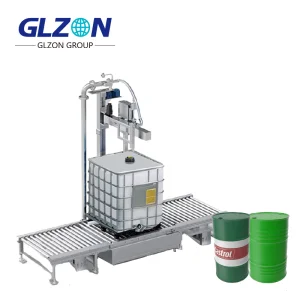
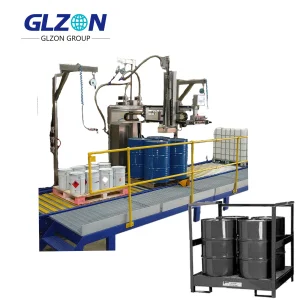
In Libya's oil and industrial fluids sector, marking barrels with traceable, durable ink is critical. Automated high-viscosity ink systems linked with large-scale drum printing units maintain continuous production runs without downtime or manual refill interruptions.
Ensures continuous high-volume printing of shelf lives, barcodes, and regulatory logos on food packages. Minimizes color variations and solvent loss during hot dry spells in Tripoli packaging factories.
Direct integration of dust-sealed ink channels onto ceramics, plasterboard, and plastic pipe extrusion lines, ensuring clean and legible batch marks in high-dust building material plants.
Answers to critical technical and logistical questions regarding the installation and running of ink systems in Libya.
Select industrial modules to build, upgrade, or maintain efficient production lines in Libya.


 Vector Print