A Technical Whitepaper on Advanced Digital Production Printing Architectures by Zhuhai Vector Print Co., Ltd.
The manufacturing sector is undergoing a rapid transition toward mass-customization and short-run production models. At the heart of this shift is the deployment of industrial digital production printing systems. As a technology-driven leader based in Zhuhai, China, Zhuhai Vector Print Co., Ltd. specializes in state-of-the-art industrial inkjet systems tailored for high-speed, high-definition direct-to-object and structural substrate printing.
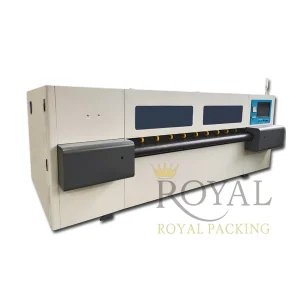
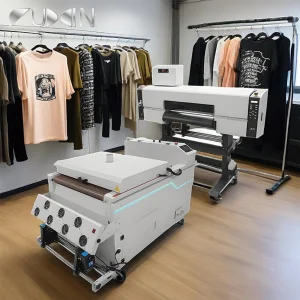
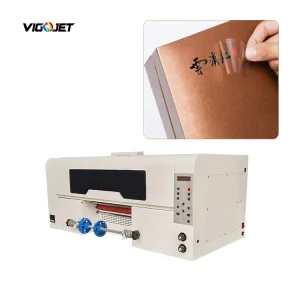
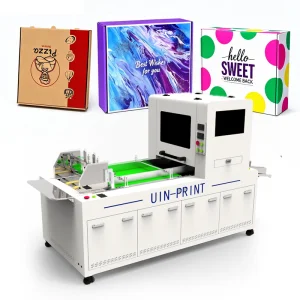
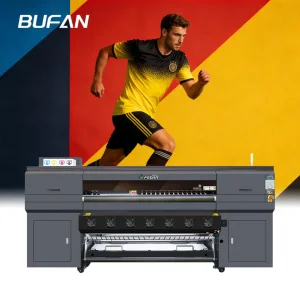
By leveraging advanced hardware designs, such as high-frequency piezoelectric printhead arrays (notably the Epson I3200 series), and combining them with intelligent, multi-channel ink delivery systems, the company provides manufacturers with high-speed Single Pass Inkjet Printing Machines and Multi Pass Digital Inkjet Printers. These technologies allow for contact-free deposition on substrates ranging from corrugated paperboard to ceramics, wood, and polymers.
Executive Insight: The efficiency of modern digital printing systems lies in the coordination between industrial controllers, variable drop size technology (grayscale jetting), and optimized curing spectrums. The synchronization of these systems determines the print quality and long-term operating costs (TCO).
Zhuhai Vector Print Co., Ltd. develops and optimizes systems across several key technology branches, ensuring stability, precision, and smooth integration into industrial production lines:
How our industrial base in Zhuhai delivers technical quality, supply chain integration, and cost-efficiency to international buyers.
Zhuhai, situated in the Pearl River Delta, is a global epicenter for printing consumables, precision mechanics, and electronic engineering. This proximity allows Zhuhai Vector Print Co., Ltd. to optimize component sourcing, prototype quickly, and manage rigorous quality control steps under one roof.
By using locally sourced steel structures, precision rail guides, and locally assembled industrial motherboards, and pairing them with high-end printheads, we bridge the gap between heavy-duty machine builds and advanced electronics. This vertical integration keeps pricing competitive while ensuring high-quality, long-term operations for clients worldwide.
The key market shifts defining the next generation of industrial digital inkjet deployment.
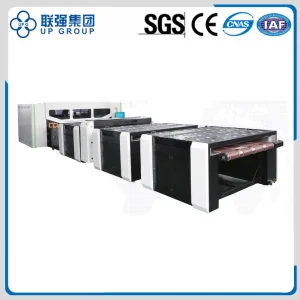
Industrial lines are moving away from offline, multi-stage printing processes. Single-pass architectures enable inline installation directly into existing packing or tile lines, supporting printing speeds exceeding 100 meters per minute.
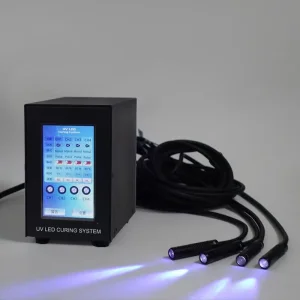
Tightening environmental guidelines require VOC-free, water-based, and UV-LED curable ink systems. Combining eco-friendly inks with narrowband UV LED spot curing systems lowers carbon emissions and energy use compared to hot-air dryers.
Modern print controllers adjust droplet size dynamically (e.g., from 3.5pI up to 21pI). This balance allows for fine text clarity alongside high-density ink laydowns on complex substrates like ceramics or wood panels.
How digital inkjet architectures are deployed across diverse sectors to solve unique processing challenges.
For modern carton factories, set-up times for analog flexographic printers are a bottleneck for short-run orders. Single Pass corrugated box printers allow for instant job changes. Operating without plates, the digital system prints direct-to-corrugated sheets or pre-cut handbags, allowing for print-on-demand branding and localized promotional packaging.
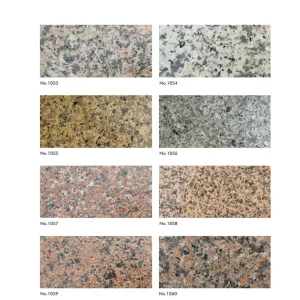
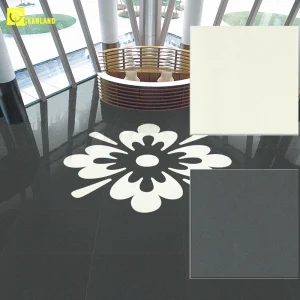
Traditional tile decorating relies heavily on rotogravure rollers, which are costly and slow to change. Direct digital printing on flexible soft ceramic granite stone wall tiles allows factories to produce realistic stone textures, intricate wood patterns, and custom reliefs without physical contact. The printhead assembly glides over surface irregularities, reducing breakage risks and design limitations.
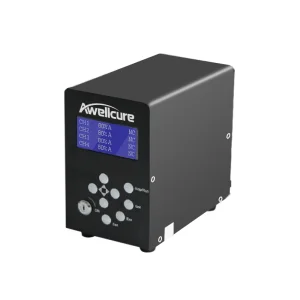
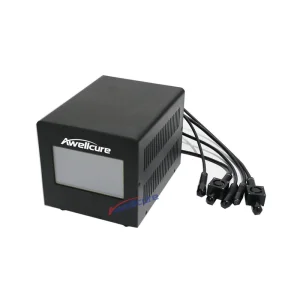
In high-tech electronics and medical manufacturing, UV LED spot curing systems operating at 365nm to 405nm ensure immediate, stable bonding. These systems are used for FPC circuit fingerprint modules and medical-grade UV adhesives, delivering high UV output with minimal thermal stress on sensitive substrates.
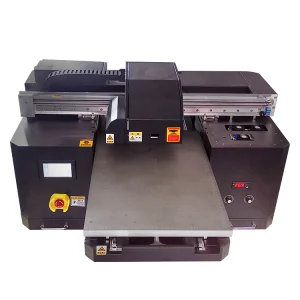
Inside Zhuhai Vector Print's production facility: Engineering digital print bars and testing industrial control software systems to ensure drop stability and precise multi-color registration.
Integrating digital printing into end-to-end, automated manufacturing pipelines.
Connecting printing hardware directly to industrial PLC systems via Ethernet/IP or Modbus interfaces. Sensor networks detect incoming sheets, trigger printhead jetting profiles, and activate downstream UV LED curing systems in real time, avoiding manual setups.
A software pipeline designed to print unique barcodes, serialization markers, and custom images on individual items. The controller reads data on the fly from a database, adjusting print arrays dynamically without interrupting machine operations.
Integrated camera arrays monitor print quality in real-time. If a nozzle mismatch or ink drop failure is detected, the system runs an automated recovery sequence (capping, cleaning, purging), protecting the printhead from damage and reducing down-time.
Crucial metrics for supply chain leaders when evaluating Chinese digital printing system manufacturers.
Purchasing industrial digital production equipment involves evaluating several long-term factors. Procurement teams should prioritize total cost of ownership (TCO) and system integration over initial hardware pricing. Below are the key metrics used by international buyers to evaluate suppliers:
1. Printhead Integration Strategy: Verify that the exporter uses authentic, industrial-grade printheads (such as Epson I3200 or Ricoh Gen5) with easily accessible replacements and robust localized supply chains. The integration of printheads dictates the lifetime, maintenance needs, and quality of the final print.
2. Software Rip and Industrial Control Options: High-performance printing hardware requires capable software. Ask exporters about the controllers they use and their compatibility with top RIP solutions (e.g., Wasatch, MainTop, Photoprint). Standard systems should support multi-channel color profiling, ink saving modes, and automated job queuing.
3. Local Technical Support and SLA Guarantees: Make sure the supplier can provide remote diagnostic support, step-by-step firmware updates, and rapid spare parts shipping. Partnerships with warehouses in markets like the USA help ensure prompt parts availability and support.
Addressing the top technical questions from plant engineers and international buyers.


 Vector Print