Digital manufacturing is revolutionizing production across the globe. However, many businesses face hurdles along this path. A recent report by McKinsey indicates that 70% of digital transformation initiatives fail to meet their objectives. This raises an important question: what are common challenges in digital manufacturing?
Among these challenges, integration of new technologies with existing systems often tops the list. Companies struggle to achieve seamless interoperability. Furthermore, the lack of skilled personnel creates significant bottlenecks in implementation. According to Deloitte, 87% of manufacturers report a skills gap that hinders their digital initiatives. Moreover, data security remains a pressing concern. Many firms underestimate the threats posed by cyberattacks, risking both operations and sensitive information.
In conclusion, navigating digital manufacturing isn't straightforward. Organizations must recognize the potential pitfalls, such as inadequate training and cybersecurity vulnerabilities. Addressing these challenges is essential for success in an increasingly digital-centric landscape. Fostering a culture of continuous improvement and innovation can help firms overcome these obstacles and thrive in the future.
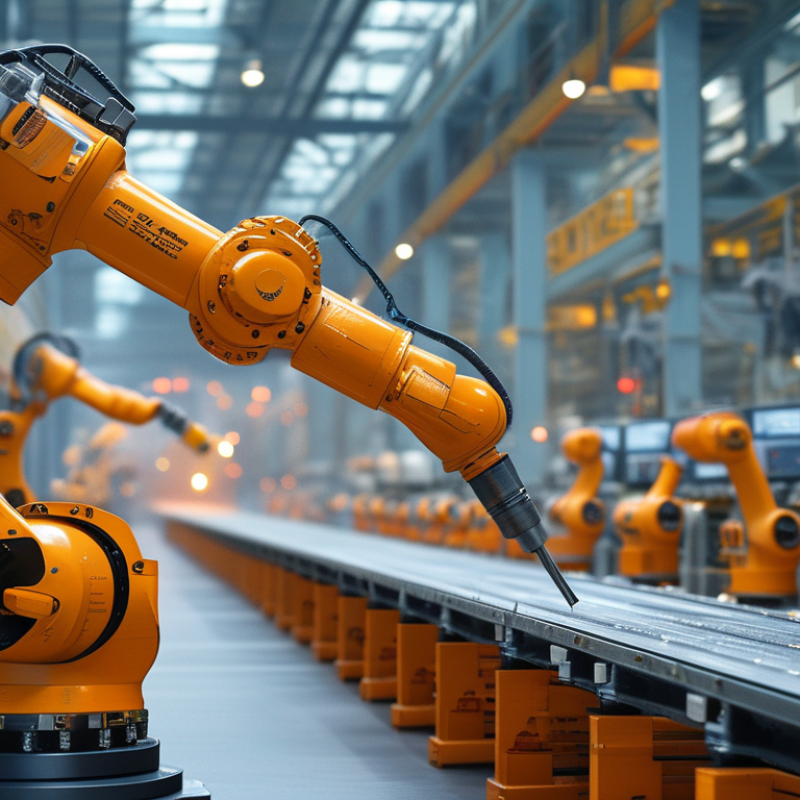
Digital manufacturing is transforming industries, yet it brings several challenges. Companies face complexities in integrating digital tools effectively. Many organizations struggle with data overload. They collect vast amounts of information but find it hard to analyze and utilize it efficiently. This often leads to missed opportunities for optimization and innovation.
Cybersecurity is another critical concern in digital manufacturing. As factories become smarter, they become more vulnerable to cyberattacks. Threats can originate from various sources, including internal employees and external hackers. Ensuring robust security measures can be daunting. Additionally, many manufacturers grapple with workforce skills gaps. There is a significant need for skilled workers who understand both traditional manufacturing and digital technologies.
Moreover, the pace of change can be overwhelming. Staying abreast of new technologies requires constant adaptation. Many firms invest heavily in new systems but may not see immediate returns. This can lead to burnout among staff and resistance to new methods. Digital transformation should be a gradual journey, not a sprint, as businesses learn to navigate their unique challenges.
In the era of digital manufacturing, protecting intellectual property (IP) is paramount. Companies increasingly rely on data-driven technologies, making them more vulnerable to cyber threats. Data security risks can lead to the theft of proprietary designs, processes, and trade secrets. For instance, a manufacturing firm might incorporate advanced sensors to track production metrics, but these sensors could be hacked. This scenario could expose sensitive information that the company has spent years developing.
Manufacturers must adopt robust cybersecurity measures to safeguard their IP. Regular software updates and employee training on security practices are essential. Investing in encryption technologies can also protect data in transit and at rest. However, many companies still underestimate these threats. They may lack designated teams focused on network security, which can result in costly breaches.
While some organizations may feel secure due to compliance with regulations, they should not be complacent. A false sense of security can be damaging. Real-world cases show that small vulnerabilities can lead to significant IP loss. Companies need to remain vigilant. Continuous assessment of their security protocols is crucial for safeguarding their innovative edge in the competitive landscape of digital manufacturing.
Integration issues are a critical challenge in digital manufacturing. Companies often struggle to connect traditional systems with new digital platforms. A report by McKinsey highlights that around 70% of digital transformation projects fail primarily due to these integration hurdles. Legacy systems can be rigid and incompatible with modern technologies, limiting data flow and decision-making.
Many manufacturers face discrepancies in data formats and system architectures. For instance, a manufacturer may use a legacy ERP system while adopting new IoT solutions. This disjointed approach hinders real-time analytics and can create costly delays. Industry data indicates that organizations could increase productivity by 20-30% if integration is seamless.
Moreover, a lack of skilled personnel exacerbates this issue. As digital tools evolve, the workforce may not have adequate training. Approximately 50% of organizations report skill gaps in digital tools and data management. This gap leads to missed opportunities and inefficiencies. Addressing these challenges requires strategic planning and investment in training programs. Without these measures, manufacturers risk falling behind in a competitive landscape.
The digital manufacturing sector faces significant challenges, and skill shortages are among the most pressing. According to a report by the Manufacturing Institute, nearly 2.1 million jobs in this field could remain unfilled by 2030 due to a lack of qualified talent. This skills gap is widening as technology advances rapidly, outpacing workforce readiness.
Many manufacturers struggle to find workers adept in digital tools and automation. The integration of new technologies requires specialized training. A McKinsey report highlighted that 87% of companies are aware that they need to upskill their employees. Despite this, only 40% of manufacturers have effective training programs in place.
To combat these talent deficits, companies can implement targeted education initiatives. Partnering with local universities can bridge the skills gap. Workshops and mentorship programs encourage hands-on learning.
Another strategy is to create a workplace culture that emphasizes continuous learning. Encourage employees to pursue certifications and advanced training. This not only enhances their skills but also improves job satisfaction.
Overcoming the talent deficit requires strategic planning and investment. The digital manufacturing landscape depends on a skilled workforce to thrive. Companies must prioritize education and training to address these challenges effectively.
Implementing digital manufacturing solutions often comes with high initial costs. Businesses must carefully evaluate their return on investment (ROI) before diving in. This requires a deep understanding of both current processes and potential gains. The transition can be steep, and many companies face unexpected expenses, such as maintenance or training. It's essential to consider these factors when assessing overall costs.
Tip: Start small. Choose one process to digitize rather than overhauling everything at once. This can reduce risk and provide clearer insights into ROI. Collect data from this pilot project. Analyze improvements in efficiency, waste reduction, and labor costs. This information can make a stronger case for further investments.
Many organizations grapple with aligning new technologies with existing workflows. Disruptions during the transition period can lead to hidden costs. Communication among teams is vital to minimize confusion and inefficiencies. A phased approach often uncovers areas that need more attention, revealing gaps in understanding or capability.
Tip: Engage employees early. Training sessions can prepare teams for upcoming changes. Encourage feedback to identify challenges and solutions together. This approach not only fosters a culture of innovation but also reduces resistance to change. The journey toward digital manufacturing is complex, but proper planning can navigate these challenges more effectively.
| Challenge | Description | Potential ROI Factors | Cost Considerations |
|---|---|---|---|
| High Costs of Implementation | The initial investment required for technology and infrastructure. | Increased efficiency, reduced waste, and improved product quality. | High upfront costs vs long-term savings. |
| Integration with Legacy Systems | Challenges in integrating new solutions with existing systems. | Streamlined operations, improved data accuracy. | Costs involved in upgrading or replacing systems. |
| Skill Gaps in Workforce | Lack of skilled workers to manage new technologies. | Training and development leading to higher productivity. | Training costs and time investment. |
| Data Security Concerns | Risks associated with increased connectivity and data sharing. | Preventing data breaches, protecting intellectual property. | Cost of cybersecurity measures. |
| Scalability Issues | Difficulty in scaling solutions as business grows. | Adapting to market demands, improving production flexibility. | Investments needed for scalable infrastructure. |
: Companies struggle to connect old systems with new digital platforms, limiting data flow. This often leads to failed projects.
About 70% fail due to integration hurdles. Legacy systems are often incompatible with modern technologies.
Many manufacturers can't find workers skilled in digital tools. This leads to missed opportunities and inefficiencies.
Approximately 50% of organizations acknowledge gaps in digital tools and data management skills.
Implementing targeted education initiatives and partnering with local universities can help bridge the skills gap.
High initial costs force businesses to evaluate their return on investment before implementing digital solutions.
Starting small allows clearer insights into ROI. Collect data from pilot projects to gauge efficiency improvements.
Effective communication among teams minimizes confusion and inefficiencies. It helps identify challenges early.
Engaging employees through training and feedback fosters innovation. It also reduces resistance to change during transitions.
Companies often face unexpected costs during transitions, such as maintenance or additional training expenses.
Digital manufacturing is transforming the industry, yet it comes with a set of challenges that organizations must navigate. One of the primary concerns is data security risks, where safeguarding intellectual property is essential. Additionally, integration issues often arise as companies seek to bridge the gap between traditional manufacturing systems and modern digital platforms, leading to operational inefficiencies.
Another significant challenge is the skill shortages in the workforce, as the demand for tech-savvy professionals increases. Combatting this talent deficit is crucial for organizations aiming to leverage digital solutions effectively. Lastly, the high costs of implementation present a barrier, making it vital for businesses to evaluate the return on investment (ROI) of digital manufacturing solutions. Understanding what are common challenges in digital manufacturing is key to developing strategies that can help mitigate these issues and drive successful transformation.

Vector Print