How to Manage Color Consistency in Industrial Printing?

Time:2026-05-09 Author:Aria
0%

Color consistency is vital in industrial printing. It impacts product quality, brand identity, and customer satisfaction. However, maintaining this consistency can be challenging. Variations in ink, substrate, and machine settings can lead to discrepancies. Thus, understanding how to manage color consistency in industrial printing becomes essential for success.

Achieving uniform color output requires a systematic approach. Companies must invest in high-quality equipment and reliable color management tools. Regular calibration of printers and color profiles is crucial. Training staff on color theory and equipment operation also enhances precision.

Despite advancements, imperfections may arise. The printing environment can influence outcomes. Factors like humidity and temperature play a role. Continuous monitoring and adjustment are necessary to address these challenges. Embracing a culture of quality assurance can lead to better results. Reflections on past mistakes can drive future improvements.
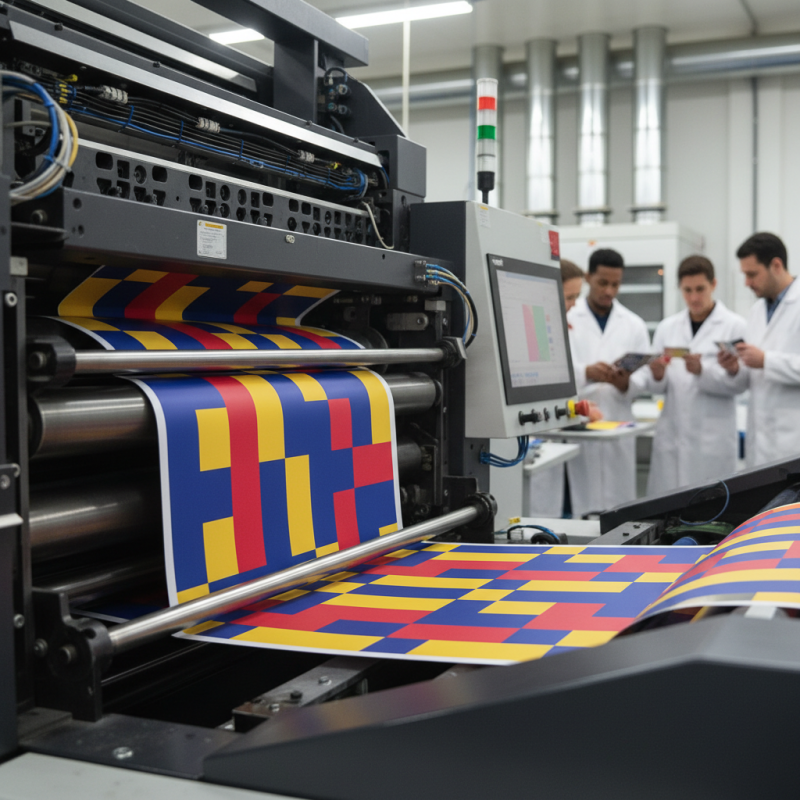
How to Manage Color Consistency in Industrial Printing?

Understanding Color Management Systems (CMS) in Industrial Printing

Color management systems (CMS) play a vital role in achieving color consistency in industrial printing. A well-implemented CMS can dramatically reduce discrepancies across different devices and media. Research indicates that up to 30% of companies report color inconsistencies affecting their production quality (Source: Smithers Pira). When printouts vary significantly from digital proofs, it can lead to costly reprints.

Effective color management involves defining color workflows, calibration, and profiling. Calibration ensures that all devices, from monitors to printers, reproduce colors faithfully. The ICC profiles used in a CMS can quantify color differences and set standards. However, a common challenge is keeping these profiles updated. An estimated 60% of printers do not regularly recalibrate their devices, which can lead to color drift over time.

Additionally, not all team members might fully understand the importance of a CMS. Training often lags behind technical advancements, leaving gaps in knowledge. A study found that nearly 50% of printing professionals feel unprepared to manage color consistency effectively. This highlights the need for ongoing education and investment in color management resources.

Key Factors Affecting Color Consistency in Print Production

Color consistency in industrial printing is crucial for brand identity and product quality. Various factors influence how colors appear in the final print. Understanding these factors can improve workflow and results.

One major factor is the choice of printing inks. Inconsistencies can arise from using different ink batches. Each batch may have slight variations due to production differences. It’s essential to regularly check ink formulations. This maintains a stable color profile across prints.

Another critical aspect is the calibration of printing equipment. Poor calibration can result in noticeable color deviations. Regularly tuning the printers ensures that they deliver accurate colors. Checking temperatures and pressure settings can also dramatically impact output consistency.

Tips: Always store inks properly to prevent degradation. Consider developing a color guide that outlines exact color specifications. Regular training sessions for staff can promote awareness of color management principles, ensuring everyone understands their role in maintaining color consistency.

Calibration and Profiling: Ensuring Accurate Color Output

Color accuracy is vital in industrial printing. Calibration and profiling systems ensure consistent color reproduction, reducing discrepancies. A recent study from the International Color Consortium found that improper calibration can lead to a 30% loss in color fidelity. This data underscores the need for thorough calibration processes to maintain quality.

Proper calibration involves adjusting devices to align with defined color standards. This step ensures that the colors displayed on screens and printed materials match. Regularly check your devices against known color charts. Simple tools like spectrophotometers can help achieve this. The more often you calibrate, the more reliable your output will be.

Tips for effective profiling include using software that creates custom profiles based on your specific media and inks. Consider conducting tests with various substrates. This practice allows you to understand how different materials affect color output. Regular profiling can prevent costly reprints and improve customer satisfaction. Remember, even the best systems require vigilant adjustments as conditions change.

Regular Maintenance and Quality Control in Industrial Printing

Regular maintenance is crucial in industrial printing to ensure color consistency. Dust and debris can affect the quality of prints. Check and clean your printing equipment regularly. This small step can prevent larger issues down the line. Using the right cleaning materials is essential. Harsh chemicals may damage the components.

Quality control is not a one-time task but a continuous process. Implementing routine checks can help maintain the color standards you strive for. Train your staff on the importance of color calibration. This knowledge helps them identify fluctuations in color quality. Consider using color management tools. They provide reliable ways to maintain consistency.

However, even with all these measures, there can still be inconsistencies. Environmental factors, like humidity and temperature, can affect color output. Understanding these variables is important for long-term success. Reflecting on past discrepancies can lead to better practices. Adjusting your process based on this reflection is key to improvement.

The Role of Environmental Conditions in Color Stability

Environmental conditions significantly impact color stability in industrial printing. Factors like temperature and humidity can alter ink performance and substrate reactions. For instance, high humidity may cause ink to be absorbed unevenly, distorting color accuracy. Conversely, low humidity can lead to static electricity, affecting ink transfer.

Monitoring these conditions is crucial. Inconsistent environments lead to unpredictable results. Routine checks can mitigate risks. Using hygrometers and thermometers helps maintain a stable atmosphere. Additionally, staff training on climate control can enhance overall quality. Regular audits of equipment performance against these variables can reveal patterns needing attention.

Keeping an eye on external conditions is essential for achieving color consistency. Awareness and proactive measures can help printers navigate these challenges. Small adjustments, like controlling airflow or sealing workspaces, can create a more stable printing environment, though it's not always foolproof. There’s always room for improvement in this complex process.

FAQS

: What is the primary function of a color management system (CMS) in printing?

: A CMS ensures color consistency across different devices and media to enhance production quality.

Why do companies experience color inconsistencies?

Up to 30% of companies face issues due to varying printouts compared to digital proofs, leading to reprints.

How does calibration contribute to effective color management?

Calibration ensures devices accurately reproduce colors, preventing discrepancies in printing.

What is a common challenge in maintaining a CMS?

Many printers do not regularly update their ICC profiles, leading to potential color drift.

How prepared do printing professionals feel about color consistency?

Nearly 50% feel unprepared, indicating a need for more education in color management.

What effects do environmental conditions have on color stability?

Factors like temperature and humidity can distort color accuracy, impacting print quality.

How can printers monitor environmental conditions effectively?

Using hygrometers and thermometers helps maintain a stable atmosphere for printing.

What small adjustments can improve color consistency?

Controlling airflow or sealing workspaces can create a stable printing environment.

Are training programs keeping up with technical advancements in printing?

Often, training lags behind, leaving gaps in knowledge regarding color management systems.

What can be done to mitigate risks from environmental instability?

Routine checks and staff training can help manage the effects of external conditions on printing.

Conclusion

In the realm of industrial printing, managing color consistency is crucial for producing high-quality printed materials. Understanding Color Management Systems (CMS) is fundamental, as they serve as the backbone for achieving accurate color reproduction across various printing devices. Key factors influencing color consistency include ink formulations, substrate characteristics, and printing techniques, which must be carefully monitored and adjusted throughout the production process.

To effectively manage color consistency in industrial printing, calibration and profiling are essential steps that ensure machines are producing the desired color outputs. Regular maintenance of printing equipment and stringent quality control measures must be implemented to identify deviations early and rectify them promptly. Additionally, external environmental conditions, such as temperature and humidity, play a significant role in color stability, thus requiring attention to maintain optimal printing environments. By addressing these elements, manufacturers can ensure superior color consistency that meets client expectations and industry standards.

Aria

Aria

Aria is a dedicated marketing professional with a deep passion for innovative strategies and a keen understanding of our company's product offerings. With a wealth of experience in the industry, Aria excels at crafting engaging content that highlights the unique features and benefits of our......