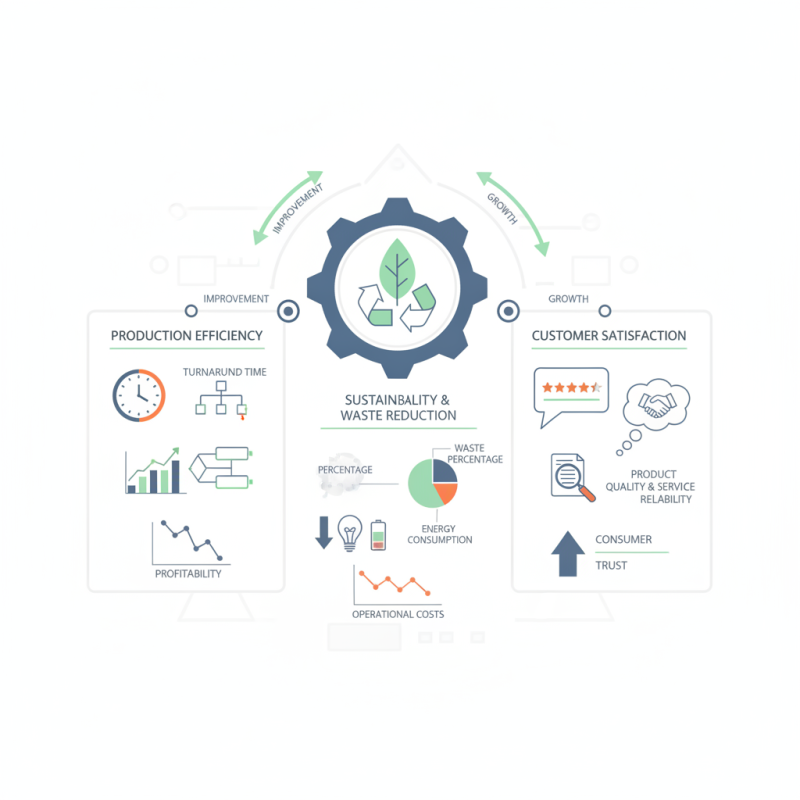
In the rapidly evolving printing industry, understanding what are the key metrics in printing production is crucial for global buyers. Print production involves numerous variables that can significantly impact both quality and cost. According to the Printing Industry Association, production efficiency can vary significantly across different printing technologies, affecting turnaround times and overall profitability.
Investors now prioritize sustainability and waste reduction in their production processes. This shift emphasizes the importance of metrics like waste percentage and energy consumption. Buyers who focus on these metrics often see a reduction in operational costs. However, many organizations struggle to adopt these practices effectively. The gap between awareness and implementation can hinder growth in a competitive market.
Additionally, metrics related to customer satisfaction are essential. Monitoring feedback can provide insights into product quality and service reliability. However, many print companies still overlook this aspect. A keen focus on metrics will empower organizations to improve their offerings and harness deeper consumer trust. Ultimately, by embracing clear and actionable metrics, global buyers can navigate the complexities of printing production more successfully.
When considering printing production, global buyers face various key performance indicators (KPIs). These metrics measure efficiency, quality, and cost-effectiveness. Buyers must evaluate production speed, as delays can significantly impact delivery timelines. Slow production can lead to missed deadlines and dissatisfied customers.
Another important KPI is waste percentage. High waste indicates inefficiencies in the printing process. This metric can reveal issues such as misprints or material defects. Global buyers should insist on continuous improvement in waste reduction. Monitoring waste can foster accountability within the production teams.
Quality control is crucial. Buyers need to assess defect rates in printed materials. A high defect rate indicates a flaw in the production process. Regular audits and checks can help maintain quality standards. Furthermore, customer feedback should not be overlooked. It provides insights into the actual performance of printed products in the market. This feedback loop can inform future improvements needed in the printing process.
When assessing printing production, lead time is crucial. It refers to the time between order placement and delivery. Global buyers must understand this aspect well. A shorter lead time often indicates efficient processes and better service. However, speed should not compromise quality. It’s essential to strike a balance. Efficiency must also encompass resource management.
Production efficiency is another key metric. It gauges the effectiveness of printing operations. Measurements like waste reduction and equipment uptime can reveal much. A highly efficient process minimizes costs while maximizing output. Yet, constant monitoring is necessary. Businesses should review their workflows regularly. Are they optimizing resources? Are there bottlenecks slowing down production? Continuous improvement requires effort and reflection.
Global buyers should pay attention to these metrics. They impact both product quality and satisfaction levels. By focusing on lead time and production efficiency, businesses can enhance their reliability. This will strengthen partnerships and ensure long-term success in the printing industry.
In the ever-changing landscape of print production, cost analysis plays a pivotal role for global buyers. With the printing industry expected to reach a valuation of over $500 billion by 2025, professionals must focus on effective budgeting and pricing structures. According to recent reports, 37% of print buyers identify cost as their primary concern when selecting a supplier. This makes transparent pricing crucial.
Budgeting in print production involves multiple components, including material costs, labor, and overhead. It's reported that raw materials alone can consume up to 30% of total production costs. Not understanding this can lead to budget overruns. Additionally, labor costs can vary significantly, with skilled workers demanding nearly 20% higher wages compared to unskilled labor. Buyers should be aware of these discrepancies.
Global buyers must also consider hidden costs, such as shipping and storage fees. These can add up to another 15-20% of the project’s total. A study by the Print Industries of America showed that 50% of print projects experience unanticipated financial strains due to overlooked expenses. A thorough cost analysis ensures buyers can navigate fluctuating markets and make informed decisions in their printing endeavors.
Quality control is crucial in printing production. It ensures that products meet set standards. Consistency promotes trust among global buyers. Key metrics in quality control include color accuracy, print resolution, and substrate quality. Tracking these metrics can reveal underlying issues that may affect the final product.
Color accuracy is particularly important. Variations can occur due to different printers or ink batches. Regular calibration can mitigate these risks. Similarly, print resolution impacts overall appearance. Higher resolution typically indicates better print quality, but it also requires more resources. Maintaining a balance between quality and efficiency is essential.
Substrate quality can often be overlooked. The type of paper or material affects the final result. Assessing substrate integrity is vital for maintaining consistency. Even minor imperfections can lead to problems down the line. Open communication between production teams and buyers can help identify and rectify quality issues. Recognizing flaws allows for continuous improvement in the printing process.
Sustainability is a growing concern in printing production. Many global buyers prioritize eco-friendly practices. The materials used can significantly impact the environment. Sourcing from sustainable suppliers is crucial. Recycled paper and vegetable-based inks are popular choices. They reduce waste and minimize harm to ecosystems.
However, not every sustainable practice is perfect. Some inks may still contain harmful substances in small quantities. Understanding these complexities is important for informed decisions. Printing processes often consume large amounts of energy. Implementing energy-efficient technologies could help mitigate this issue. Buyers must ask questions about energy sources. Are they renewable?
Monitoring the environmental impact can be challenging. Metrics such as carbon footprint and water usage need regular assessment. Transparency is key. Companies should provide clear data. Yet, sometimes the information can be vague. This uncertainty raises concerns. Global buyers must remain vigilant. They need to push for accountability in their supply chains.
| Metric | Value | Unit | Sustainability Impact |
|---|---|---|---|
| Recycled Paper Usage | 70 | Percent | Reduces deforestation |
| Carbon Footprint | 55 | kg CO2e per 1000 prints | Lower emissions contribute to climate change mitigation |
| Water Usage | 500 | Liters per 1000 prints | Conserving water resources |
| Waste Generation | 200 | kg per 1000 prints | Encouraging recycling and reducing landfill contribution |
| Energy Consumption | 300 | kWh per 1000 prints | Promotes energy efficiency and lowers greenhouse gas emissions |
: Quality control ensures products meet standards. It fosters trust among buyers by promoting consistency in the final output.
Color accuracy is vital; variations can arise from different printers or ink batches. Regular calibration helps mitigate these issues.
Print resolution impacts appearance. Higher resolution generally signals better quality, yet it demands more resources to achieve.
Substrate type affects the final product. Assessing substrate integrity is essential for maintaining overall quality and consistency.
Eco-friendly practices are increasingly prioritized. Sourcing from sustainable suppliers minimizes environmental harm and reduces waste.
Not always. Some inks may still contain harmful substances, albeit in small amounts. Understanding these nuances is critical.
Buyers must inquire about energy sources used in printing. Renewable energy options are preferable for sustainability.
They should provide clear data on metrics like carbon footprint and water usage. However, sometimes this information lacks clarity.
Regular assessment of metrics can be difficult. Uncertainty in available data raises concerns for buyers about accountability.
In the realm of printing production, global buyers must understand what are the key metrics in printing production to optimize their processes effectively. Key Performance Indicators (KPIs) such as lead time and production efficiency play a crucial role in assessing how well a printing operation meets deadlines and maximizes output. Additionally, a thorough cost analysis encompassing budgeting and pricing structures is vital for managing financial resources and ensuring profitability.
Quality control metrics are essential for maintaining consistency and standardization across printed materials, safeguarding the excellence of the final product. Furthermore, considering sustainability practices and the environmental impact of printing production has become increasingly important, as it reflects a commitment to eco-friendly operations. By focusing on these metrics, global buyers can make informed decisions that enhance performance and support sustainable practices in the printing industry.

Vector Print