The ceramics industry is undergoing a profound shift. How digital transformation impacts the ceramics industry is a crucial question. Traditional methods are giving way to innovative technologies. This change promises efficiency, but it also presents challenges.
Manufacturers are adopting digital tools like AI and IoT. These tools enhance production efficiency and improve quality control. However, the transition requires a significant investment. Smaller businesses may struggle to keep up. They risk being left behind in this rapidly changing landscape.
Moreover, digital transformation can alter customer engagement. Online platforms allow for direct interaction, which enhances customer experience. Yet, this also demands new skills and strategies from the workforce. The industry must find a balance between embracing technology and maintaining craftsmanship. The journey towards digitalization is complex. It requires reflection on both successes and setbacks.
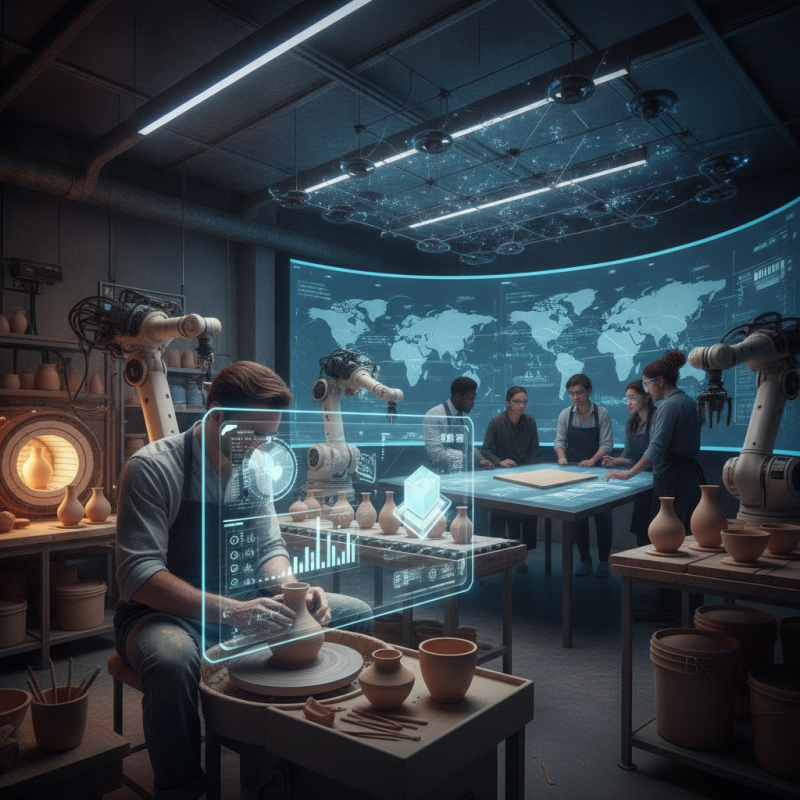
Digital transformation is revolutionizing the ceramics industry. This change encompasses various technologies reshaping how manufacturers operate. Smart sensors, for instance, enhance the production process by providing real-time data on materials and machinery. This data can lead to improved quality control and reduced waste. IoT systems also allow for better inventory management, helping businesses respond quickly to market demands.
The implementation of digital tools often exposes gaps in traditional processes. For example, many ceramics manufacturers struggle to integrate new technology into their workflows. This can lead to resistance among employees who are used to conventional methods. Training is essential, yet it is often overlooked. Without proper guidance, digital initiatives may not achieve the desired outcomes.
Moreover, the challenge of cybersecurity cannot be ignored. As factories become more interconnected, the risk of cyber threats increases. Protecting sensitive information and maintaining operational continuity are ongoing concerns. These complexities highlight the importance of a thoughtful approach to digital transformation in the ceramics sector. Balancing innovation with tradition requires careful consideration from industry leaders.
Digital transformation is profoundly changing the ceramics industry. Key technologies are at the forefront of this shift. Automation and robotics enhance efficiency during production. Machines are now able to handle tasks that were once manual, reducing labor costs. This leads to not just speed, but also precision in manufacturing.
Additive manufacturing, or 3D printing, is revolutionizing how ceramics are created. This technology allows for intricate designs that traditional methods cannot achieve. It enables local production, minimizing transport costs and reducing carbon footprints. However, companies may face challenges in scaling these new processes. Adequate training and a skilled workforce are essential to leverage these advancements.
**Tip:** Embrace continuous learning to stay ahead. Understand how each technology impacts your workflow. Experiment with different applications to find what works best for your operations. Balancing technology adoption with traditional skills can lead to innovative solutions in ceramics manufacturing.
Digital tools are revolutionizing the ceramics industry. Designers now utilize software for 3D modeling, enabling more innovative shapes and patterns. This shift allows for rapid prototyping, which accelerates the design process significantly. With virtual reality, designers can visualize products in a realistic setting before production. This integration helps eliminate costly mistakes.
Moreover, digital printing technology is changing the way ceramics are produced. Artists create intricate designs digitally, pushing the boundaries of traditional craftsmanship. However, some artisans express concerns over losing the personal touch in their work. The balance of technology and artistry becomes crucial in this evolving landscape.
The adoption of digital tools also introduces challenges. Not all designers have the skills to leverage new technology effectively. The learning curve can be steep. As the industry shifts, those unwilling or unable to adapt may struggle to keep up. It’s essential to foster an environment that encourages learning and experimentation. Embracing change is not just about technology; it’s about enhancing creativity in ceramics.
Data analytics is changing the ceramics industry in profound ways. By leveraging data, manufacturers can optimize production processes. Real-time data tracking allows for immediate adjustments in temperatures, materials, and timelines. This flexibility results in more consistent quality. It can also reduce waste significantly, a pressing concern in today’s environmentally conscious market.
However, the integration of data analytics is not without challenges. Many companies find it difficult to interpret the massive amounts of data generated. Skilled professionals are often needed to translate data into actionable insights. There is a gap in expertise that must be addressed. Additionally, investing in new technologies can be cost-prohibitive for smaller producers. This digital shift can create inequality within the industry.
Still, those who embrace data analytics typically see a noticeable improvement. Predictive analytics, for instance, helps anticipate equipment failures, reducing downtime. This proactive approach ensures that production remains uninterrupted. In the long run, the role of data analytics in ceramics is not merely about efficiency; it’s about fostering innovation in product development and customer satisfaction.
| Aspect | Description | Impact (%) | Implementation Timeframe |
|---|---|---|---|
| IoT Integration | Connecting machines to the internet for real-time monitoring and efficiency. | 20% | 12 months |
| Predictive Maintenance | Using data analytics to predict and prevent equipment failures. | 15% | 6 months |
| Supply Chain Optimization | Enhancing supply chain operations through data insights. | 25% | 18 months |
| Quality Control | Applying data analytics to monitor and ensure product quality. | 30% | 8 months |
| Product Development | Leveraging data to innovate and develop new ceramic products. | 10% | 12 months |
The ceramics industry is undergoing significant digital transformation. This shift is driven by a need for sustainability and innovation. Companies are increasingly integrating digital technologies into their processes. This integration enhances efficiency and reduces waste.
For instance, smart manufacturing techniques can optimize production schedules and minimize resource use.
Sustainable practices are becoming essential. Many ceramic producers are exploring eco-friendly materials. These materials often require less energy to produce. Digital tools also help track resource consumption. Data analytics enable better decision-making regarding materials and energy use.
As the industry evolves, there are challenges. Balancing traditional craftsmanship with modern technology can be difficult. Maintaining quality while adopting new tools needs careful consideration.
Training employees on new technologies is crucial. Not all workers are immediately comfortable with digital tools. This gap might hinder the pace of change. However, investing in skill development can foster a culture of innovation.
Embracing both sustainability and digital integration is not just a trend; it is vital for the future of ceramics. The journey will require adaptation and a willingness to learn from mistakes.
: Digital transformation changes how manufacturers operate using technologies like smart sensors and IoT systems.
Smart sensors provide real-time data, improving quality control and reducing waste during production.
Many manufacturers struggle to integrate new technology, leading to resistance among employees used to traditional methods.
Training is essential to navigate new technologies, but it is often overlooked, risking the success of digital initiatives.
Increased connectivity raises cyber threats, making it vital to protect sensitive information and ensure operational continuity.
Digital tools like 3D modeling and virtual reality streamline the design process, allowing for more innovative and complex designs.
Yes, some artisans worry that digital methods may overshadow traditional craftsmanship, risking the personal touch in their work.
Many designers struggle to adapt to new technologies due to a steep learning curve, which can hinder their creativity.
By fostering an environment that encourages learning and experimentation, the industry can enhance creativity alongside technological advancement.
No, not all individuals have the skills needed, leading to potential struggles for those unwilling or unable to adapt.
Digital transformation is fundamentally reshaping the ceramics industry by introducing innovative technologies and processes that enhance production efficiency and creativity. Key technologies such as automation, IoT, and advanced materials are driving change in ceramics manufacturing, allowing for greater precision and reduced waste. The integration of digital tools is significantly influencing design and innovation, enabling designers to experiment with new styles and functionalities.
Moreover, data analytics plays a crucial role in optimizing production processes, resulting in improved quality control and better decision-making. Looking ahead, future trends indicate a move towards sustainable practices and deeper digital integration within the ceramics sector. Overall, understanding how digital transformation impacts the ceramics industry is vital for stakeholders aiming to leverage these advancements for growth and innovation.

Vector Print