How to Determine the Cost of Industrial Inkjet Printing?

Time:2026-05-31 Author:Oliver
0%

Industrial inkjet printing has become increasingly popular in various sectors, from packaging to automotive. As businesses seek precision and efficiency, understanding the associated costs is crucial. But how much does industrial inkjet printing cost? This question is not straightforward and can depend on several factors, including equipment, maintenance, and materials.

According to a report by Smithers Pira, the industrial inkjet market is projected to reach $3.9 billion by 2024. This growth reflects a steady increase in demand, driven by advancements in technology and the need for high-quality prints. Specifically, digital printing technologies have lowered operational costs. However, initial investments can still be significant, with high-quality printers costing upwards of $70,000. Additionally, ongoing costs, like ink and maintenance, can escalate depending on usage.

Understanding these costs requires a detailed analysis of specific business needs. While ink costs average around $50 per liter, variables like print speed and substrate choice can influence overall expenses. Businesses must assess their volume requirements and quality expectations to calculate their total printing costs accurately. Reflecting on these factors will help companies make informed decisions, optimizing their operations while managing budgets effectively.
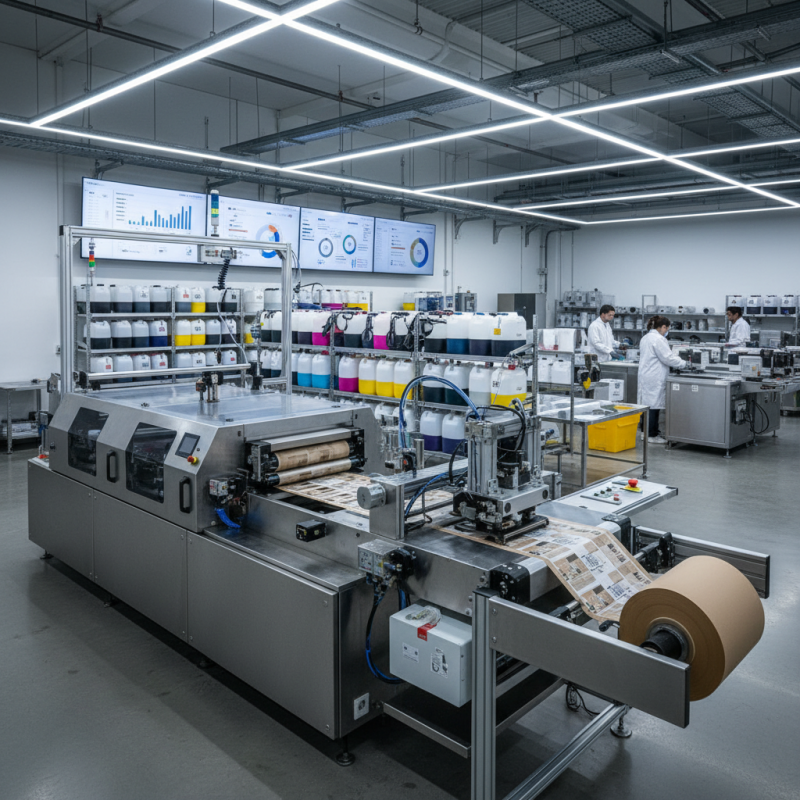
How to Determine the Cost of Industrial Inkjet Printing?

Understanding the Basics of Industrial Inkjet Printing Costs

Determining the cost of industrial inkjet printing involves several critical factors. Commonly, the expenses include equipment, consumables, and maintenance. According to a report by Smithers Pira, operational costs can vary significantly, ranging from $0.02 to $0.40 per printed square meter. This variation is largely due to the type of ink used and the specific technology implemented.

Understanding consumable costs is essential. Ink cartridges, solvents, and printheads contribute heavily to overall expenses. The price of ink can fluctuate based on quality and supplier. Some manufacturers suggest planning for an annual ink budget that could exceed $100,000 for mid-sized operations. This budget reflects the importance of quality over cost, where cheap ink can lead to higher waste.

Tip: Always track your ink usage carefully. Overestimating savings can lead to unexpected costs.

Maintenance is another often-overlooked expense. Regular servicing can range from $5,000 to $15,000 annually. Without proper maintenance, production downtime can escalate costs. A report from TechNavio noted that 30% of printing costs come from unscheduled downtime.

Tip: Consider rotating maintenance schedules to enhance efficiency.

In the end, the nuances in costs highlight the need for careful planning and continual assessment in industrial inkjet printing.

Factors Influencing the Cost of Industrial Inkjet Printing

When considering the cost of industrial inkjet printing, several key factors come into play. Ink quality is crucial. High-quality inks often provide better durability and vivid colors, but they also come with a higher price tag. Additionally, the type of substrate used can significantly impact costs. Some substrates are more compatible with certain inks, affecting overall efficiency and waste.

Another important consideration is equipment maintenance. Regular upkeep ensures optimal performance and longevity. Neglecting maintenance can lead to issues, resulting in downtime and increased costs. Furthermore, the scale of production influences cost per unit. Larger runs can often benefit from economies of scale, reducing the average cost per print. However, smaller jobs may not capitalize on these savings.

Labor costs cannot be overlooked. Skilled operators are essential for efficient operation and quality control. Training and expertise matter. Investing in skilled staff can appear costly initially, but it pays off through reduced errors and improved output. The budget for inkjet printing can become complex, requiring careful analysis of these various factors. Each element influences the final price, but assessing them individually can reveal opportunities for cost savings and efficiency improvements.

Evaluating Materials and Consumables in Printing Expenses

When evaluating the cost of industrial inkjet printing, materials and consumables play a critical role. Ink cartridges, substrates, and cleaning supplies contribute significantly to the overall expenses. Assessing the type and quality of materials used is essential for effective budgeting. Choosing lower-cost materials may seem beneficial but can lead to poor print quality. Long-term, this can result in higher reprint costs.

Tips: Always analyze the cost per unit of ink. Cheaper inks might yield higher waste or require more frequent replacements. Opt for well-reviewed substrates to ensure they are suitable for your printing needs. Additionally, consider the frequency of maintenance necessary for your equipment; it can impact the overall cost significantly.

While considering consumables, reflect on how often you restock supplies. Running out of ink unexpectedly can halt production. Ensure you have a reliable inventory management system; it helps avoid impulse buying, which often leads to higher costs. Balancing quality and expense might require some trial and error, but it is crucial for sustainable printing practices.

Analyzing Maintenance and Operational Costs for Inkjet Systems

Maintenance and operational costs are critical factors in determining the overall expenses of industrial inkjet printing. Regular upkeep of inkjet systems can help extend their lifespan and maintain print quality. This involves routine cleaning, calibration, and replacement of consumables. Neglecting these tasks could lead to more significant issues down the line, such as clogged nozzles or inconsistent output.

Operational costs often include ink consumption and energy use. Monitoring ink usage is essential for budgeting. Businesses must also consider the energy efficiency of their inkjet systems. High energy consumption can quickly erode savings from lower ink costs. Additionally, training staff to operate and maintain equipment can incur extra costs but is crucial for minimizing errors.

It's important to note that not all maintenance efforts yield immediate benefits. Sometimes, the results can be frustratingly slow to materialize. Balancing these costs with the potential for increased output and quality is a constant challenge. A reflective approach is necessary to assess the effectiveness of maintenance practices over time. This may require adjustments to processes or further investment in training and resources.

Cost Analysis of Industrial Inkjet Printing

This chart illustrates the breakdown of maintenance and operational costs associated with industrial inkjet printing systems. The data reflects average monthly expenses across different categories.

Comparing Costs Across Different Inkjet Printing Technologies

When evaluating the costs of industrial inkjet printing, understanding different technologies is crucial. Each method presents unique pricing structures that cater to specific needs. For example, continuous inkjet (CIJ) technology often incurs lower operational costs but may require a bigger initial investment. It excels in high-speed applications suitable for large production runs.

On the other hand, drop-on-demand (DOD) printing is more versatile and can adapt to various substrates. While its initial costs may be lower, maintenance and consumable costs can add up over time. Evaluating the total cost of ownership is essential, as it reveals hidden expenses like upkeep and ink consumption.

Additionally, consider production fluctuations. Seasonal demand can impact the choice of technology. Some methods may not be cost-efficient during low-demand periods. Weighing flexibility against reliability can shape decision-making. Each technology has its strengths and weaknesses, making it important to reflect on what aligns best with the business requirements.

How to Determine the Cost of Industrial Inkjet Printing? - Comparing Costs Across Different Inkjet Printing Technologies

Printing Technology Initial Investment Cost ($) Ink Cost per Liter ($) Maintenance Cost per Year ($) Projected Lifespan (Years) Cost per 1000 Prints ($)
Piezoelectric Inkjet 30,000 80 2,000 10 300
Thermal Inkjet 25,000 100 1,500 5 450
Continuous Inkjet 50,000 70 3,000 12 250
Hybrid Inkjet 45,000 90 2,500 8 360

FAQS

: What are the main costs in industrial inkjet printing?

: Key costs include ink cartridges, substrates, and cleaning supplies. They greatly impact overall expenses.

How does the quality of materials affect printing costs?

Choosing lower-cost materials can reduce print quality. This often results in higher reprint costs later.

Why is it important to analyze cost per unit of ink?

Cheaper inks may produce more waste and need more frequent replacements. This can increase overall expenses.

What should I consider for effective inventory management?

Keep track of supply levels to avoid running out of ink. A reliable system helps prevent impulsive purchasing.

How do maintenance costs affect inkjet systems?

Regular maintenance extends system lifespan. Neglecting tasks can lead to serious issues like clogged nozzles.

Are all maintenance efforts immediately beneficial?

No, sometimes results take time. Continuous reflection on maintenance effectiveness is necessary.

What operational costs should businesses monitor?

Focus on ink consumption and energy usage. High energy costs can diminish savings from lower ink prices.

How do various inkjet technologies differ in costs?

Some technologies have lower operational costs but higher initial investments. Understanding these differences is vital.

Why is evaluating total cost of ownership important?

It reveals hidden expenses like upkeep and ink consumption, helping businesses make informed decisions.

How do production fluctuations affect technology choice?

Seasonal demand may influence cost efficiency. Flexibility and reliability must be evaluated against business needs.

Conclusion

Determining how much does industrial inkjet printing cost involves understanding several key factors that influence overall expenses. It begins with grasping the fundamental aspects of inkjet printing costs, including the impact of technology types, materials, and consumables essential for the printing process. Evaluating these components can provide insights into the direct costs associated with production.

In addition to materials, operational and maintenance expenses play a significant role in overall cost analysis. Regular upkeep and the need for skilled personnel can add to the financial commitment required to maintain an efficient printing operation. By comparing these factors and examining different inkjet printing technologies, businesses can gain a clearer picture of their potential investment in industrial inkjet printing and make informed decisions based on a comprehensive cost evaluation.

Oliver

Oliver

Oliver is a seasoned marketing professional with a wealth of expertise in driving brand awareness and engagement. With a deep understanding of our company's product offerings, he consistently delivers high-quality content that enriches our professional blog. His insights not only shed light on......