Boost Printing Production Line Efficiency with These Proven Tips?

Time:2026-05-01 Author:Ethan
0%

In today's competitive printing industry, understanding how to improve efficiency in printing production lines is crucial. The pressure to deliver high-quality products quickly is ever-increasing. Adopting proven strategies can significantly enhance productivity and reduce downtime.

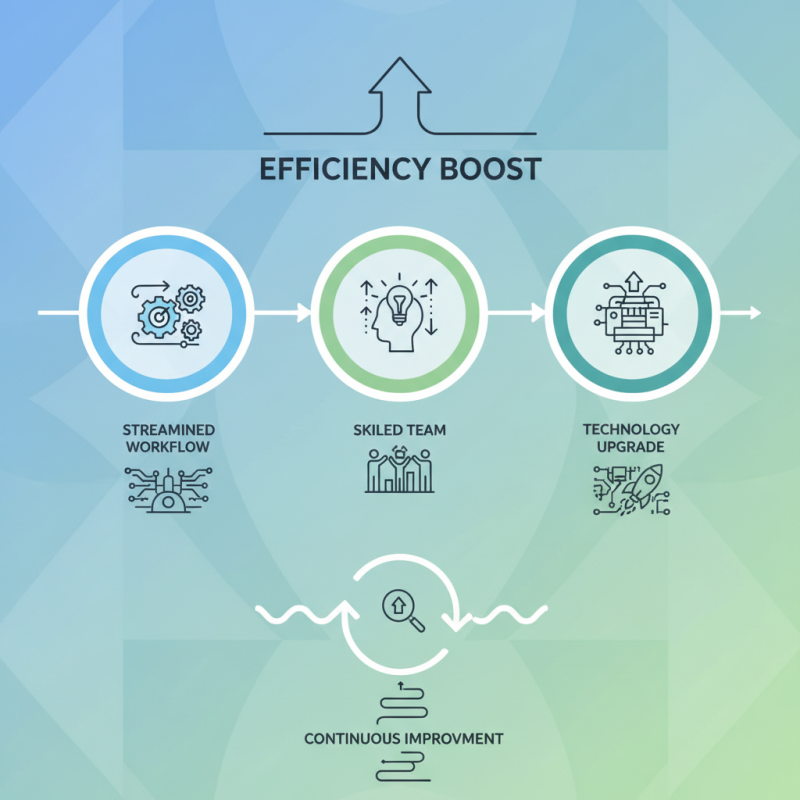
One effective method involves streamlining workflow processes. Organizing tasks and ensuring all equipment is in working order can prevent costly delays. Training staff effectively also plays a vital role. Engaged and knowledgeable employees can quickly troubleshoot issues and maintain productivity levels.

Another essential aspect is investing in technology. Upgrading to modern printing machines can boost speed and reduce waste. However, it's important to assess whether such investments align with your specific needs. Regular reflection on operational practices is essential. Continuous improvement is not just a goal; it's a process that demands attention and adjustment.
Boost Printing Production Line Efficiency with These Proven Tips?

Identify Key Bottlenecks in Your Printing Production Line

Identifying key bottlenecks in your printing production line is essential for improving efficiency. One of the first areas to scrutinize is the workflow. Is there a point where jobs pile up? Perhaps a specific machine is frequently down for maintenance. These issues can slow down the entire process.

Another common bottleneck is material supply. Check if your raw materials arrive on time. Delays can halt production completely. It may be useful to analyze inventory levels and supplier reliability. In some cases, training your staff could improve speed and accuracy. Often, employees may not be fully aware of the best practices.

Regularly reviewing performance metrics is vital. Look at cycle times and output rates. These numbers can reveal trends over time. Identify patterns that correspond with delays or errors. Sometimes, the solution may involve simple adjustments rather than significant overhauls. This is a continuous process and requires ongoing attention. Reflect on what works and what doesn’t. Adjust strategies accordingly.

Boost Printing Production Line Efficiency with These Proven Tips

Bottleneck Area Impact Level Suggested Improvement Estimated Efficiency Gain
Ink Drying Time High Optimize drying conditions 15%
Paper Jam Frequency Medium Implement regular maintenance schedule 10%
Machine Downtime High Invest in training for operators 20%
Quality Control Delays Medium Implement automated quality checks 12%
Supply Chain Issues High Enhance supplier relationships 18%

Implement Lean Manufacturing Principles to Streamline Processes

Implementing lean manufacturing principles can significantly enhance the efficiency of your printing production line. The focus is on waste reduction and continuous improvement. Start by identifying areas with excess inventory or unnecessary movement. These elements disrupt workflow and slow down production. Engage your team in mapping out processes. Their input often reveals hidden inefficiencies.

Standardizing operations is crucial. Create clear procedures for each step of production. This practice minimizes errors and encourages accountability. Staff training also plays a vital role. Ensure employees understand lean concepts and their application. Regular workshops can cultivate a mindset geared towards efficiency.

Not all changes yield immediate results. Some adjustments may disrupt the routine before improving output. Gather feedback continuously and be open to revisiting practices. Lean manufacturing isn't a one-time event; it's an ongoing journey. Persistence and dedication are key to achieving long-term improvements.

Invest in Modern Printing Technologies to Enhance Efficiency

Investing in modern printing technologies is essential for enhancing efficiency. Advanced equipment can significantly streamline workflows. Automated systems reduce manual labor, minimizing errors and improving output quality. Upgrading to digital printing allows for quicker turnaround times. Clients appreciate faster service, leading to higher satisfaction.

Consider integrating software that optimizes production schedules. Such tools can help manage resources effectively. Data analytics can identify bottlenecks in the workflow. Small adjustments in machine settings can yield noticeable improvements. Emphasizing employee training ensures that the team operates new technologies efficiently.

Evaluate the layout of your production space too. An organized environment reduces wasted time and effort. Analyze whether equipment placement can enhance workflow. Regular maintenance of machinery also plays a crucial role. Neglecting this area can lead to unexpected downtime. Each of these tips can lead to incremental changes. Small improvements add up to significant efficiency gains.

Train Employees on Best Practices for Printing Operations

Training employees on best practices is crucial for optimizing printing operations. A well-trained workforce can greatly enhance production line efficiency. Focused training sessions on key tasks lead to fewer mistakes and quicker outputs.

One tip is to encourage hands-on practice. Employees should be allowed to work on actual machines under supervision. This real-world experience builds confidence and competence. Have regular feedback sessions to address any errors or uncertainties. Ensure employees understand the importance of quality control. Simple checklists can help them remember essential processes.

Another effective method is to promote teamwork. Encourage employees to share tips and tricks that they’ve learned. A collaborative environment often leads to innovative solutions. Remember, some practices may not suit every situation. Constantly seek input from workers. Their insights can reveal hidden inefficiencies. Keep an open line of communication to foster continuous improvement.

Boost Printing Production Line Efficiency

Monitor and Analyze Production Data for Continuous Improvement

In today's printing industry, data is a vital component for enhancing efficiency. Monitoring production data provides insights into bottlenecks and areas for improvement. Use real-time data analytics to assess machine performance. This allows teams to identify downtime causes quickly. Regular analysis helps refine processes and boost overall productivity.

The challenge lies in making sense of vast amounts of data. Not all data points are relevant. Focus on key performance indicators that align with your goals. Engage with staff to interpret the data collectively. Their input is invaluable for identifying issues. Sometimes, emotions can skew judgments. Rely on hard data to guide decisions.

Tracking metrics such as print quality and turnaround times can uncover hidden inefficiencies. Regular reviews should not be an afterthought. Constant reflection enables teams to adjust workflows dynamically. Stay adaptable, as rigid strategies can stifle progress. Continuous improvement is about learning and evolving together as a unit.

FAQS

: How can I identify bottlenecks in my printing production line?

: Scrutinize the workflow for job pile-ups or frequent machine breakdowns.

What should I check regarding material supply?

Ensure raw materials arrive on time. Delays can completely halt production.

Why is it important to analyze performance metrics?

Cycle times and output rates reveal trends. They help identify delays and errors.

How can I effectively train my employees?

Encourage hands-on practice with actual machines. This builds confidence and competence.

What role does teamwork play in optimizing operations?

Teamwork fosters a collaborative environment. Employees exchange tips and innovative solutions.

How can I encourage quality control awareness among staff?

Use simple checklists. They help employees remember essential processes easily.

What should I do if current practices aren't effective?

Reflect on what works. Adjust strategies based on performance feedback.

How often should I review the printing process?

Regular reviews are vital. Continuous attention helps sustain efficiency improvements.

Is staff training a one-time effort?

No, training should be ongoing. Regular feedback keeps skills sharp and practices updated.

How can communication improve production efficiency?

Open communication allows staff to share insights. This can reveal hidden inefficiencies.

Conclusion

To effectively learn how to improve efficiency in printing production lines, it is crucial to start by identifying key bottlenecks that hinder smooth operations. By pinpointing these issues, production managers can take steps to address them directly. Implementing lean manufacturing principles is another vital strategy, as it helps streamline processes and reduce waste.

Investing in modern printing technologies can significantly enhance efficiency, allowing for faster turnaround times and improved output quality. Additionally, training employees on best practices ensures that everyone is equipped with the knowledge to operate machinery effectively and maintain workflow. Lastly, continuously monitoring and analyzing production data will facilitate ongoing improvements, leading to a more efficient and productive printing production line.

Ethan

Ethan

Ethan is a seasoned marketing professional with a deep expertise in our company's innovative product line. With a passion for sharing knowledge and insights, he takes the lead in regularly updating our corporate blog, where he explores industry trends, product features, and effective marketing......