Modern factories are under pressure to produce faster, reduce waste, and respond to changing customer demand. Digital systems can help, but integration is rarely a simple software purchase. It affects machines, workers, data, maintenance routines, and production decisions. A useful starting point is understanding how to integrate digital systems into existing factories without disrupting reliable operations. The best approach connects current equipment with practical digital tools, rather than replacing everything at once.
In real production environments, older programmable logic controllers, paper checklists, and newer cloud platforms often operate together. A temperature sensor may send data to a manufacturing execution system, while an enterprise resource planning platform manages materials and orders. These connections require clear data standards, secure networks, and careful testing. Small pilot projects can expose missing information, unstable signals, or training gaps before they affect an entire plant. Workers should help shape the process because they understand machine behavior that dashboards may overlook. Their experience matters.
Security also needs serious attention. Access controls, network separation, software updates, backups, and supplier checks should be planned before deployment. Compliance requirements vary by location and industry, so technical decisions should be reviewed by qualified professionals. Results must be measured with evidence, such as shorter changeover times, fewer defects, and reduced unplanned downtime. Not every digital project delivers immediate savings. Some fail because the factory digitizes inefficient habits instead of improving them. That risk deserves honest reflection. This guide explores practical integration methods for 2026, balancing innovation with operational reliability, workforce readiness, and long-term value.
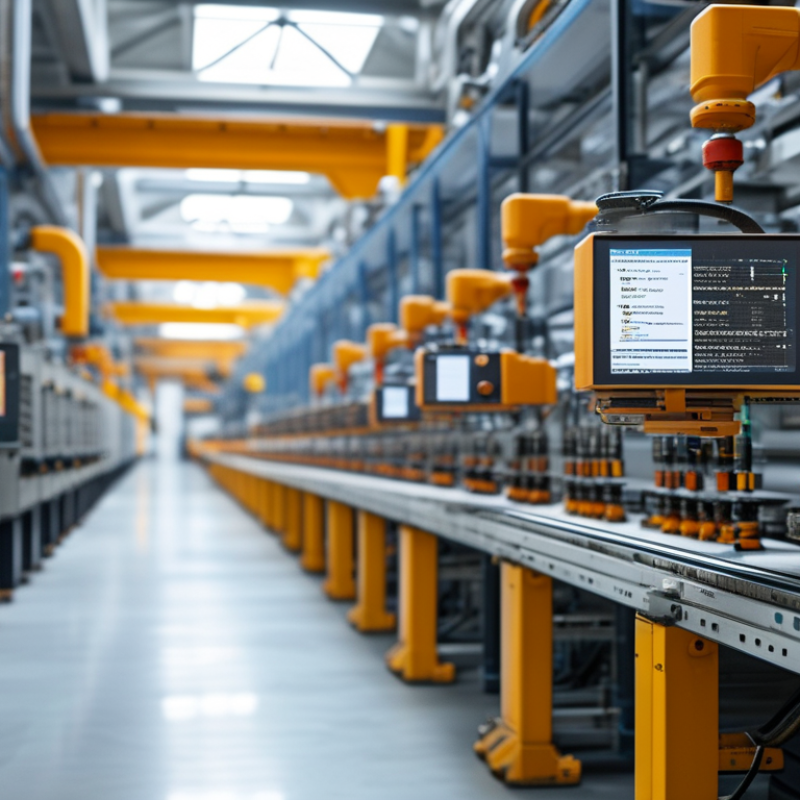
What Digital Factory Integration Means in 2026
Digital factory integration in 2026 means connecting machines, people, software, and decisions. It is not simply installing more sensors. A connected press should share production status with planning systems, while quality data reaches engineers within minutes. The International Federation of Robotics reported 541,302 industrial robots installed worldwide in 2023. That scale increases the need for common data structures, clear ownership, and secure interfaces.
A practical architecture often follows ISA-95 principles and uses interoperable communication standards, such as OPC UA. Edge systems can filter vibration, temperature, and cycle-time data beside the machine. Central platforms can then analyze trends without receiving every raw signal. The World Economic Forum’s Global Lighthouse Network reports that leading factories have achieved measurable gains in productivity, quality, and energy performance through connected technologies. However, these results are not automatic. Poor master data can produce confident but incorrect decisions.
I have seen integration plans fail when teams begin with dashboards instead of production problems. A useful pilot might track one packaging line, one defect type, and one energy meter. Cybersecurity should follow industrial control guidance, including network segmentation and controlled access. The International Energy Agency estimates that industry consumes about 37% of global energy use, so energy data deserves equal status with output data. Some factories still connect systems without training operators. That gap remains uncomfortable, and expensive.
| Integration Approach | Primary Factory Systems | Recommended Data Protocols or Models | Typical Data Flow | Operational Benefit | Typical Response Requirement | Implementation Priority in 2026 | Main Control or Security Consideration |
|---|---|---|---|---|---|---|---|
| Unified equipment connectivity | PLCs, sensors, robots, drives, inspection devices | OPC UA, MQTT, industrial Ethernet, standardized tag naming | Machine data to edge gateway and plant applications | Reduces isolated data sources and improves equipment visibility | Milliseconds to seconds for monitoring; deterministic control remains local | Very high | Use certificate-based authentication, network segmentation, and read-only access where possible |
| MES–ERP–planning integration | Manufacturing execution, enterprise resource planning, production planning | ISA-95 information model, REST APIs, event-driven messaging | Orders, bills of material, schedules, material status, production confirmations | Creates consistent production and inventory information across business and shop-floor levels | Seconds to minutes | Very high | Apply role-based access, master-data governance, transaction logging, and interface version control |
| Edge computing for real-time operations | Machines, local historians, vision systems, edge servers | OPC UA, MQTT with TLS, local time-series storage | Local processing before selected data is sent to central platforms | Lower latency, reduced bandwidth use, and continued operation during network interruptions | Sub-second to seconds | Very high | Keep firmware current, restrict outbound connections, and maintain secure remote-support procedures |
| Industrial IoT condition monitoring | Motors, pumps, compressors, conveyors, rotating equipment | MQTT, time-series databases, vibration and temperature data models | Sensor readings to analytics for fault detection and maintenance planning | Supports predictive maintenance and earlier identification of abnormal conditions | Seconds to minutes; faster for safety-critical signals | High | Validate sensor calibration, protect data integrity, and separate monitoring from safety control systems |
| Digital twin integration | Design data, process models, equipment records, maintenance systems | Common asset identifiers, structured metadata, simulation interfaces, time-series links | Physical asset data synchronized with engineering and operational models | Improves commissioning, process optimization, operator training, and lifecycle decisions | Seconds to hours, depending on the use case | High | Control model ownership, version history, data quality, and synchronization rules |
| Quality and traceability integration | Inspection equipment, laboratory systems, MES, genealogy records | ISA-95 structures, barcode or RFID identifiers, event-based APIs | Material, process, inspection, and nonconformance records linked to product history | Strengthens root-cause analysis, recall readiness, and process compliance | Seconds to minutes | Very high | Protect audit trails, prevent unauthorized record changes, and define retention requirements |
| Energy and carbon data integration | Energy meters, building systems, production assets, environmental platforms | Meter data interfaces, MQTT, time-series storage, standardized unit conversion | Electricity, fuel, compressed air, water, output, and operating-state data combined | Enables energy intensity tracking, loss detection, and emissions reporting | Seconds to 15 minutes for monitoring; monthly aggregation for reporting | High | Use synchronized clocks, verified meter hierarchies, and documented calculation boundaries |
| Secure cloud and hybrid analytics | Plant systems, data platforms, analytics tools, enterprise dashboards | Encrypted APIs, MQTT over TLS, secure data gateways, federated identity | Selected operational data from plants to centralized analytics environments | Supports multi-site benchmarking, scalable analytics, and centralized governance | Seconds to hours; not intended for direct machine control | High | Apply zero-trust principles, least privilege, encryption, backup, and data-residency controls |
| Event-driven production workflows | MES, warehouse systems, quality systems, maintenance systems | Message brokers, event schemas, webhooks, asynchronous APIs | Events such as order release, machine stop, inspection failure, or material movement | Reduces point-to-point interfaces and improves automated response coordination | Near real time, typically milliseconds to seconds | High | Use idempotent messages, clear event ownership, dead-letter handling, and complete monitoring |
| Human-centered operator integration | Operator terminals, mobile devices, digital work instructions, Andon systems | Responsive web interfaces, authenticated APIs, contextual equipment data | Instructions, alerts, confirmations, and production context shared with workers | Improves standard-work adherence, escalation speed, and training consistency | Seconds | High | Design clear permissions, minimize personal data, provide offline procedures, and record acknowledgment events |
| Lifecycle asset information integration | Engineering, procurement, maintenance, spare-parts, and documentation systems | Persistent asset identifiers, structured equipment data, document metadata | Asset records maintained from design and installation through operation and retirement | Reduces duplicate records and improves maintenance decisions and spare-parts planning | Minutes to days, depending on the record type | Medium to high | Define data ownership, approval workflows, archival rules, and change-management responsibilities |
| Resilient plant networking | Control networks, industrial wireless, edge nodes, safety-related zones | Network segmentation, VLANs, redundant paths, time synchronization, secure remote access | Reliable communication between field devices, control systems, and approved applications | Improves availability, fault isolation, and predictable data delivery | Microseconds to seconds, depending on the application | Essential foundation | Maintain asset inventories, monitor traffic, patch safely, and test recovery procedures |
: Map machines, controllers, databases, networks, and manual workarounds. Record each system’s age, protocol, owner, downtime history, and data quality. Start with evidence, not software trends.
Link integration projects to production risks. Measure sensor-to-planning delays and trace one batch from raw material to finished goods. A ten-minute changeover reduction may matter more than a new dashboard.
Maintenance technicians and shift supervisors understand hidden failures. Their handwritten notes may reveal issues missing from digital dashboards. Listen carefully.
No. Investment alone proves little. Check data quality, cybersecurity, backups, permissions, and recovery times. A factory may own modern tools but still depend on fragile workarounds.
Separate production networks into controlled zones. Restrict traffic with documented rules and unique user accounts. Use strong authentication and encrypted remote connections. Small gaps become outages.
Do not force risky updates onto unsupported equipment. Isolate older machines and monitor their network traffic. Plan gradual replacement during scheduled maintenance periods.
Use consistent data definitions and modular interfaces. New lines should inherit approved settings, security policies, and monitoring standards. Store diagrams, recovery steps, and responsible contacts near technicians’ work areas.
Train operators with short exercises beside the equipment. Review access logs, configuration changes, backups, alarms, and response times. Keep procedures repetitive. Reliable work can look boring.
Technical teams may overestimate available data and underestimate daily habits. A clean architecture diagram can still fail beside noisy machinery or inconsistent naming. Some familiar workarounds may be unsafe. Review assumptions before expanding.
Track failed integrations, recurring alarms, response times, and unusual network activity. Compare results with clear targets, such as five-percent inventory improvement. More technology is not automatically better.
In 2026, digital factory integration means connecting machines, production software, operational data, employees, and communication networks into one coordinated system. This process begins by assessing current equipment, information flows, operational goals, and integration gaps. A practical plan for how to integrate digital systems into existing factories should prioritize compatibility, data quality, production continuity, and measurable business outcomes rather than replacing every system at once.
The most effective approach is to connect machines through standardized interfaces, centralize useful data, and create clear communication between factory software and business systems. Automation can reduce repetitive work, while artificial intelligence can support quality inspection, demand forecasting, and predictive maintenance. Real-time monitoring helps teams identify problems quickly and improve decision-making. To remain reliable, integrated systems should use strong access controls, secure networks, regular updates, backup procedures, and clear maintenance responsibilities. A scalable architecture also allows factories to add new equipment, applications, and analytical capabilities as needs evolve.

 Vector Print